
Tire rotation is a simple yet vital maintenance task that keeps your car running smoothly. By rotating car tires, you ensure even wear, extend tire life, and improve safety. I learned this the hard way when my sedan’s front tires wore out faster, causing shaky handling. Uneven wear can reduce traction, increase fuel costs, and lead to costly replacements. According to the National Highway Traffic Safety Administration (NHTSA), proper tire maintenance, including rotation, can prevent 11,000 crashes yearly. This guide shares practical steps to rotate car tires, blending my experience with expert tips. Whether you’re a beginner or a seasoned driver, you’ll find clear, actionable advice to keep your tires in top shape.
Why Rotating Car Tires Matters
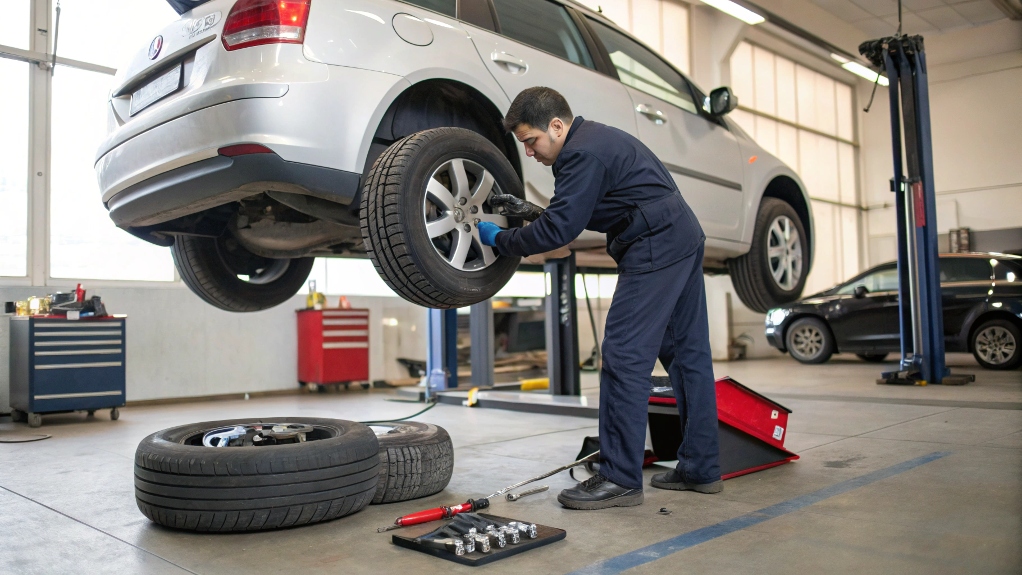
Rotating car tires ensures they wear evenly, extending their lifespan. Front and rear tires wear differently due to weight distribution and steering. For example, front-wheel-drive cars put more stress on front tires, causing faster wear. Uneven wear can lead to poor handling and reduced fuel efficiency. According to a 2023 study by Tire Rack, regular tire rotation can extend tire life by up to 20%, saving drivers hundreds over time.
My first car taught me this lesson. I neglected tire rotation for two years, and my front tires were nearly bald while the rear ones looked new. The uneven wear made my car vibrate at high speeds, prompting a costly replacement. Regular rotation every 6,000–8,000 miles prevents this. It also improves safety by maintaining consistent traction across all tires.
When to Rotate Your Car Tires
Timing is key when rotating car tires. Most experts recommend rotation every 6,000–8,000 miles or every six months, whichever comes first. However, check your car’s manual for specific guidance, as some vehicles require different intervals. For instance, all-wheel-drive cars may need more frequent rotations due to their unique drivetrain. A 2022 Michelin study found that 65% of drivers skip tire rotation, leading to premature tire wear.
I rotate my tires every oil change, roughly every 7,000 miles. This habit keeps my tires balanced and my drives smooth. If you notice uneven wear, vibrations, or pulling to one side, rotate your tires sooner. Seasonal changes, like switching to winter tires, also signal a good time to rotate. Staying proactive saves money and keeps your car safe.
Tools You’ll Need to Rotate Car Tires
Before rotating car tires, gather the right tools to make the job safe and efficient. You don’t need a mechanic’s garage, but having the proper equipment is crucial. Here’s what you’ll need:
- Jack and jack stands: To lift and secure the car safely.
- Lug wrench: To loosen and tighten lug nuts.
- Torque wrench: To ensure lug nuts are tightened to the manufacturer’s specs.
- Wheel chocks: To prevent the car from rolling.
- Gloves: To protect your hands from dirt and sharp edges.
I once tried rotating my tires with just a basic wrench and no torque wrench. The result? Unevenly tightened lug nuts caused a slight wobble. Investing in a torque wrench fixed this. According to the NHTSA, improper lug nut torque contributes to 10% of tire-related accidents. Check your car’s manual for torque specifications to avoid issues.
Step-by-Step Guide to Rotate Car Tires
Step 1: Prepare Your Car
Park on a flat surface and engage the parking brake. Place wheel chocks behind the rear tires to prevent rolling. Loosen the lug nuts on all four tires using a lug wrench, but don’t remove them yet. This step is easier before lifting the car. I learned to double-check the parking brake after my car shifted slightly during my first attempt, causing a scare.
Step 2: Lift the Car
Use a jack to lift one corner of the car, following your manual’s jacking points. Secure the car with jack stands for safety. Never work under a car supported only by a jack. Repeat for the other corners. My neighbor, a mechanic, emphasized this after seeing me skip jack stands once. Safety first!
Step 3: Rotate the Tires
The rotation pattern depends on your car’s drivetrain. For front-wheel-drive, move front tires to the rear and rear tires to the front, swapping sides. Rear-wheel-drive follows a similar cross-pattern. All-wheel-drive may use a different pattern, like an X-shape. Check your manual. After swapping, hand-tighten lug nuts. I mark tires with chalk to track their positions, avoiding confusion.
Step 4: Lower and Tighten
Lower the car carefully using the jack. Tighten lug nuts with a torque wrench to the manufacturer’s specs, usually 80–100 ft-lbs. Tighten in a star pattern to ensure even pressure. I once overtightened, making removal harder later. A torque wrench prevents this.
Common Mistakes to Avoid
Rotating car tires seems straightforward, but mistakes can cause issues. One common error is using the wrong rotation pattern. For example, directional tires, designed to roll in one direction, require specific rotation. Check for arrows on the sidewall. Another mistake is skipping torque specifications. Over- or under-tightening lug nuts can damage wheels or cause them to loosen.
I made the mistake of not checking my tire type once, rotating directional tires incorrectly. The car handled poorly until I fixed it. Additionally, neglecting to inspect tires during rotation can miss punctures or low tread depth. According to a 2024 AAA report, 35% of drivers overlook tire inspections, risking blowouts. Always check tread and pressure after rotation.
Benefits of Regular Tire Rotation
Regular tire rotation offers multiple benefits beyond extending tire life. It improves fuel efficiency by ensuring even wear, reducing rolling resistance. It also enhances handling and braking, critical for safety. For instance, balanced tires improve traction in wet conditions, reducing hydroplaning risks. A 2023 Goodyear study showed that consistent rotation improves fuel economy by up to 3%.
In my experience, rotating tires regularly made my car feel smoother and more responsive. After adopting a consistent rotation schedule, I noticed better gas mileage and fewer vibrations. Additionally, it saves money. Replacing a full set of tires can cost $400–$1,000, but rotation delays this expense. It’s a small effort with big rewards.
When to Seek Professional Help
While rotating car tires is a DIY task, some situations call for a professional. If you lack tools, space, or confidence, a mechanic ensures safety. Complex drivetrains, like those in all-wheel-drive vehicles, may require specialized patterns. Professionals also check alignment and balance during rotation, catching issues you might miss.
I tried rotating tires on my all-wheel-drive SUV once and struggled with the pattern. A local shop did it faster and checked my alignment, which was off. Shops charge $20–$50 for rotation, a small price for peace of mind. If you notice persistent vibrations post-rotation, visit a professional to check for underlying issues.
Conclusion
Rotating car tires is a simple task that saves money, boosts safety, and extends tire life. By following the steps outlined, you can maintain even wear and improve your car’s performance. My journey from neglecting tire rotation to making it a habit taught me its value. Regular rotation, every 6,000–8,000 miles, prevents uneven wear and costly replacements. With the right tools and care, you can do it yourself or seek professional help for complex vehicles. Start rotating your tires today to enjoy smoother rides and safer roads. Share your tire rotation tips in the comments or spread this guide to help others!
Read More Also: How to Jack Up Your Car for Tire Rotation
FAQs
Why should I rotate my car tires?
Rotating car tires ensures even wear, extends tire life, and improves safety and fuel efficiency.
How often should I rotate my car tires?
Rotate every 6,000–8,000 miles or every six months, or follow your car’s manual.
Can I rotate my tires myself?
Yes, with basic tools like a jack, lug wrench, and torque wrench, you can safely rotate tires.
What happens if I don’t rotate my car tires?
Uneven wear reduces traction, increases fuel costs, and leads to premature tire replacement.
Do all cars use the same tire rotation pattern?
No, rotation patterns vary by drivetrain. Check your car’s manual for the correct pattern.
Discover More: Fuel Pump Relay Symptoms and Fix: Ultimate Guide to Diagnosing and Repairing
