
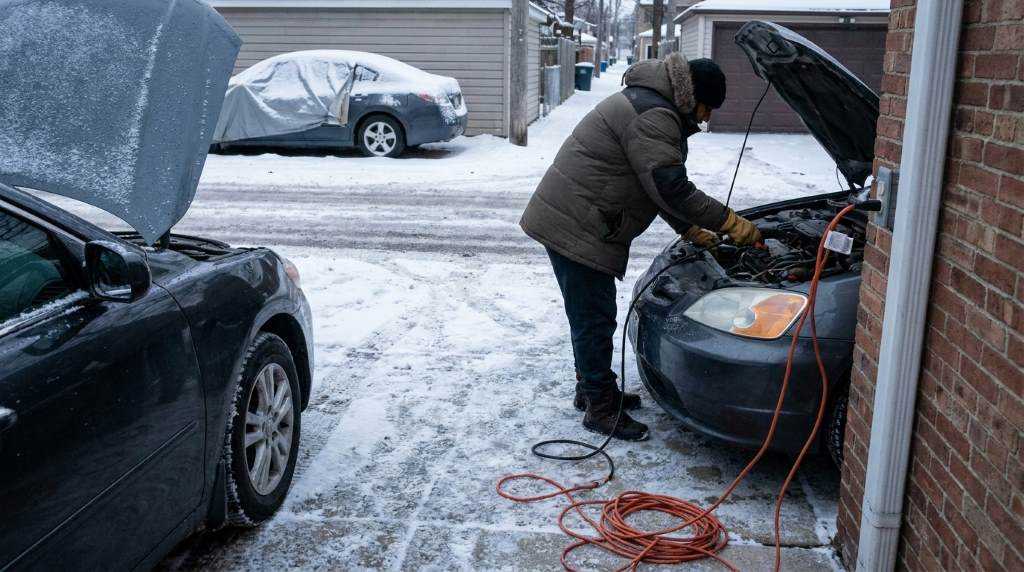
Chicago winters can push vehicles to their limits because temperatures often fall below 20°F between December and February. According to weather reports, the city also experiences freezing winds and heavy snow that create additional stress on engines. Many drivers underestimate how quickly cold weather affects oil flow, battery performance, and fuel efficiency. Understanding car temperature in winter helps vehicle owners prepare before serious mechanical issues appear. Proper winter care not only prevents breakdowns but also extends the life of your engine during Chicago’s harsh seasonal conditions.
Understand How Cold Weather Impacts Your Engine
Cold air thickens engine oil and slows lubrication during startup. As a result, moving engine parts experience greater friction within the first few minutes of driving. Low temperatures also reduce battery power, making ignition more difficult during freezing mornings. In Chicago, sudden overnight temperature drops often increase wear on older vehicles.
Moisture buildup inside the engine becomes another major concern during winter months. Short trips prevent the engine from reaching full operating temperature, so condensation remains trapped inside critical components. Over time, this moisture can mix with oil and create sludge deposits that reduce efficiency. Drivers who regularly commute in freezing conditions should pay close attention to early warning signs.
Use the Correct Engine Oil for Winter Driving
Winter-grade engine oil improves lubrication during extremely cold starts. Mechanics in Chicago commonly recommend low-viscosity oils because they flow more easily in freezing weather. Synthetic oil often performs better than conventional oil during harsh winters because it maintains stable consistency. Checking your owner’s manual ensures you select the correct viscosity for your vehicle.
Drivers planning longer winter road trips should also inspect fluids before leaving the city. Reading helpful travel preparation guides such as prepare a trip safely can help reduce risks associated with severe weather driving. Fresh oil combined with proper trip planning reduces engine stress during long-distance winter travel. Furthermore, regular oil changes prevent contaminants from damaging internal components.
Benefits of Synthetic Oil in Chicago Winters
- Provides smoother cold-weather starts
- Reduces engine wear during freezing mornings
- Maintains stable viscosity in low temperatures
- Improves fuel efficiency in winter conditions
- Protects turbocharged engines from sludge buildup
Keep Your Battery Fully Charged
Cold weather reduces battery capacity significantly, especially when temperatures drop below 0°F. A weak battery forces the starter motor to work harder, which places extra strain on the engine. Chicago drivers often discover battery issues after vehicles sit overnight during snowstorms. Testing the battery before winter arrives can prevent unexpected failures.
Corroded battery terminals also interfere with proper electrical flow. Cleaning corrosion regularly helps maintain consistent performance throughout the season. In addition, parking inside a garage protects the battery from extreme temperature swings. Drivers who leave vehicles outside should consider using a battery maintainer during long cold periods.
Warm Up Your Engine the Right Way
Many people still believe long warm-up periods protect engines during winter. However, modern engines only require about 30 seconds before gentle driving begins. Excessive idling wastes fuel and increases carbon buildup inside the engine. Instead, driving slowly during the first few miles allows the engine to warm efficiently.
Some vehicle owners also rely heavily on remote starters during freezing mornings. While remote start systems provide comfort, they should not replace proper winter maintenance habits. Understanding digital vehicle habits through resources like track where messages originate highlights how connected technology now influences vehicle management and driver behavior. Smart winter driving habits remain essential for long-term engine protection.
Best Practices for Cold Starts
- Start the engine and wait briefly before driving
- Avoid hard acceleration during the first few minutes
- Use moderate speeds until the engine warms fully
- Keep fuel levels above half a tank in winter
- Listen for unusual noises after startup
Protect Your Cooling System from Freezing
The cooling system plays a critical role during winter even though temperatures remain low outside. Antifreeze prevents coolant from freezing and damaging engine components in severe conditions. Chicago winters often expose weak cooling systems through cracked hoses or leaking radiators. Therefore, coolant inspections should happen before the first snowfall arrives.
Drivers should maintain the proper antifreeze-to-water ratio recommended by manufacturers. Too much water increases the risk of freezing inside the radiator and engine block. Mechanics typically suggest flushing old coolant every few years to remove contaminants. Fresh coolant also improves corrosion protection throughout the system.
Prevent Fuel System Problems During Winter
Cold weather can create condensation inside fuel tanks, especially when drivers allow fuel levels to drop too low. Water contamination may freeze inside fuel lines and restrict fuel delivery to the engine. Keeping the tank at least half full minimizes empty space where moisture forms. This simple habit greatly reduces winter fuel system issues.
Using quality fuel from reliable stations also helps maintain engine performance in freezing conditions. Some Chicago gas stations switch to winter fuel blends that improve cold-weather combustion. Fuel injector cleaners can further prevent deposits from affecting efficiency. Consistent fuel system maintenance supports smoother engine operation during extreme temperatures.
Warning Signs of Fuel System Trouble
- Difficulty starting the engine
- Sudden drops in fuel efficiency
- Rough idling during cold mornings
- Engine hesitation while accelerating
- Frequent stalling in freezing weather
Inspect Belts and Hoses Before Temperatures Drop
Rubber components become brittle during freezing weather, which increases the chance of cracking. Worn belts may slip more frequently when exposed to snow and ice buildup. Damaged hoses can also leak coolant and cause overheating problems even in winter. Preventive inspections help identify weak components before they fail unexpectedly.
Drivers should pay attention to squealing noises during startup because they often indicate belt issues. Mechanics usually recommend replacing aging hoses before severe winter conditions arrive. Small cracks may appear harmless initially, yet freezing temperatures can worsen damage quickly. Early replacement reduces the risk of sudden roadside breakdowns.
Protect the Engine from Road Salt Damage
Chicago roads receive large amounts of salt during snowstorms, and that salt accelerates corrosion underneath vehicles. Salt exposure damages engine components, exhaust systems, and protective coatings over time. Frequent car washes remove harmful buildup before corrosion spreads extensively. Undercarriage cleaning becomes especially important after heavy snow events.
Applying protective coatings before winter creates an additional barrier against moisture and salt exposure. Rust prevention treatments help preserve metal components around the engine bay. Drivers who ignore salt accumulation often face expensive repairs later. Consistent winter cleaning habits significantly improve long-term vehicle durability.
Monitor Tire Pressure and Engine Load
Cold temperatures reduce tire pressure naturally, which forces the engine to work harder during daily driving. Underinflated tires increase rolling resistance and fuel consumption on snowy roads. Checking tire pressure weekly improves handling and reduces unnecessary engine strain. Proper inflation also enhances traction during icy conditions.
Heavy snow accumulation inside wheel wells can further increase vehicle resistance. Removing packed snow helps maintain balanced handling and smoother engine performance. Chicago drivers often overlook this issue after overnight storms. Nevertheless, keeping tires and wheels clear supports safer winter driving overall.
Use Engine Block Heaters During Extreme Cold
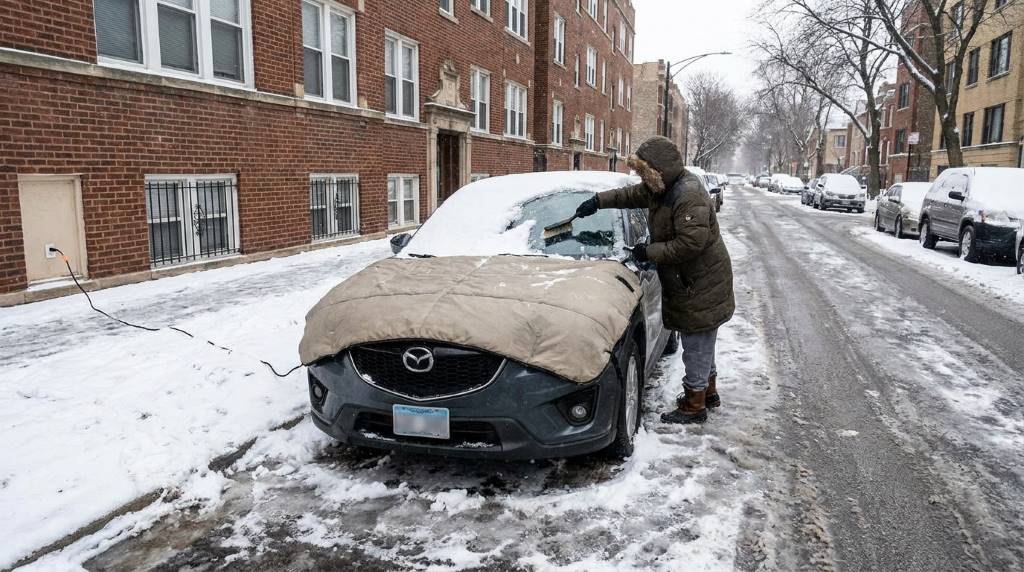
Engine block heaters provide valuable protection when temperatures plunge far below freezing. These devices warm engine fluids and improve startup performance during severe cold snaps. Many Chicago residents use block heaters for older vehicles or diesel engines because they reduce internal wear. Faster oil circulation also lowers strain on moving components.
Installing a block heater becomes especially useful for vehicles parked outdoors overnight. Although newer vehicles handle cold weather better than older models, extreme temperatures still create additional stress. Block heaters also improve cabin heating during morning commutes. Drivers who experience repeated hard starts may benefit greatly from this upgrade.
Advantages of Engine Block Heaters
- Reduces engine wear during cold starts
- Improves fuel efficiency in freezing weather
- Helps batteries perform more effectively
- Provides quicker interior heating
- Supports smoother oil circulation
Pay Attention to Unusual Engine Sounds
Winter conditions often expose mechanical issues that remain hidden during warmer months. Clicking, knocking, or grinding noises may signal lubrication problems or failing components. Ignoring these sounds can lead to severe engine damage later. Therefore, drivers should schedule inspections as soon as unusual noises appear.
Changes in exhaust smoke also deserve attention during harsh winters. Thick white smoke may indicate coolant leaks, while dark smoke often signals fuel mixture problems. Early diagnosis prevents small issues from becoming expensive repairs. Professional inspections remain one of the best investments during Chicago winters.
Adopt Smarter Winter Driving Habits
Aggressive acceleration places tremendous stress on cold engines and slippery drivetrains. Smooth acceleration allows engine components to warm gradually while improving traction on icy roads. Drivers should also avoid rapid braking because sudden force increases mechanical strain. Calm driving habits protect both the engine and surrounding vehicle systems.
Technology now influences how people manage winter travel and vehicle usage. Some drivers explore automation tools and mobile solutions similar to resources discussing apps to clone yourself when organizing busy schedules during difficult weather conditions. However, no technology can replace regular maintenance and responsible driving behavior. Consistency remains the key factor in winter engine protection.
Conclusion
Chicago winters create harsh conditions that challenge every part of a vehicle’s engine system. Drivers who prepare early can avoid expensive repairs and maintain reliable performance throughout the season. Regular maintenance, careful driving habits, and proper fluid selection all contribute to long-term engine protection. Small preventive actions often make the biggest difference during freezing temperatures. Schedule a winter inspection today and keep your engine protected before severe weather arrives.
FAQs
How often should I change oil during Chicago winters?
You should follow your manufacturer’s schedule, although severe winter driving may require more frequent oil changes.
Can freezing temperatures permanently damage an engine?
Yes, extremely cold temperatures can damage engines if coolant freezes or lubrication becomes insufficient.
Is synthetic oil better for winter driving?
Yes, synthetic oil flows more effectively in freezing temperatures and reduces engine wear.
Should I let my car idle for a long time before driving?
No, modern engines only need a short warm-up before gentle driving begins.
Why does my battery struggle more during winter?
Cold temperatures reduce battery capacity and make starting the engine more difficult.
