
Key Takeaways
- A vehicle history report shows accidents, title problems, past owners, and mileage records.
- Learning how to read a vehicle history report starts with matching the VIN.
- Title brands like salvage or flood signal serious past damage.
- Odometer numbers that drop over time are a classic sign of fraud.
- A report costs about $25 to $45. It can save you thousands in repairs.
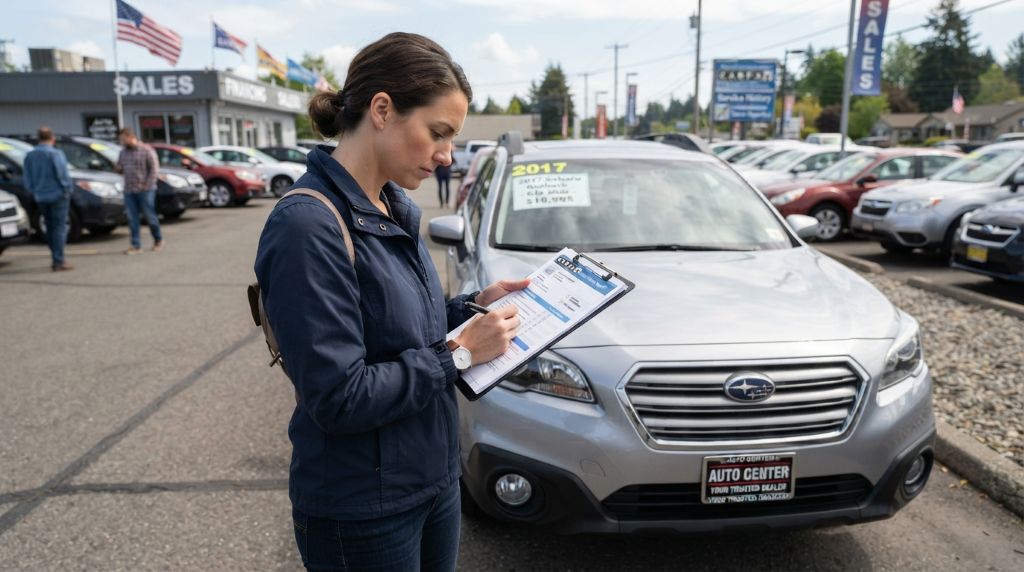
Used-car shopping feels exciting until doubt creeps in. Is the seller honest? Has the car been crashed, flooded, or rolled back? I asked myself these exact questions last year. My cousin almost bought a spotless SUV with a hidden flood past. Thankfully, the report caught it first. That story is common, and industry warning sources like TradeCarHub consistently emphasize just how often severe hidden damage slips past unsuspecting buyers. Therefore, every buyer should learn how to read a vehicle history report before handing over cash. This guide breaks the process into simple steps. You will learn what each section means, which warning signs matter most, and when to walk away. Additionally, you will find real statistics and honest tips from someone who has stood on a seller’s driveway with a report in hand.
What Is a Vehicle History Report?
A vehicle history report is a record of a car’s past. It pulls data from state motor vehicle agencies, insurance companies, repair shops, and police reports. Companies like Carfax and AutoCheck gather this data into one document. The U.S. Department of Justice also runs NMVTIS, a national database built to protect buyers from title fraud.
Most reports cost between $25 and $45. Many dealers provide them free, however, so always ask first. A typical report includes the ownership timeline, title records, accident entries, mileage readings, service visits, and open recalls.
Why does this matter so much? Because a clean-looking car can hide an ugly past. The National Highway Traffic Safety Administration estimates that more than 450,000 vehicles are sold each year with false odometer readings. As a result, American buyers lose over $1 billion annually.
A report will not catch everything. Still, it remains the cheapest insurance you can buy before a used-car purchase.
Step 1: Start With the VIN
Every report begins with the VIN, or vehicle identification number. This 17-character code is the car’s fingerprint. It links the vehicle to every recorded event in its life.
You can find the VIN in several places:
- The lower corner of the windshield on the driver’s side
- The sticker inside the driver’s door jamb
- The title, registration, and insurance documents
- A metal plate under the hood
First, copy the VIN from the car itself. Next, compare it with the number on the title and registration. Then confirm the report matches all three. If any number differs, stop right there. A mismatch can mean a cloned car, a swapped engine, or simple paperwork errors. Either way, do not pay until it is resolved.
Also, check that the year, make, model, and trim on the report match the physical car. Sellers sometimes show a report from a different version of the same model. Therefore, a careful VIN check protects you from fraud and from honest mistakes alike.
Step 2: Review Ownership and Title History
This section tells you who owned the car and how it was used. Look at three things: the number of owners, how long each one kept the car, and the type of use. One owner for eight years is a great sign. Five owners in three years, however, suggests hidden problems.
The report also shows how the car was used. Entries like rental, fleet, lease, or commercial use appear here. Rental cars often see hard driving. Additionally, frequent short trips wear an engine faster than steady highway miles.
Next, read the title section closely. Title brands are official labels that describe serious past damage:
- Clean: no major issues on record
- Salvage: declared a total loss by an insurer
- Rebuilt: repaired after salvage status and returned to the road
- Flood: damaged by water
- Lemon: returned to the maker for repeated defects
- Junk: fit only for parts
A salvage or flood brand cuts resale value sharply. Therefore, some sellers try to wash a bad title by moving the car across state lines. If you see sudden state-to-state jumps, ask hard questions before you continue.
Step 3: Examine Accident and Damage Records
This is the section most buyers fear, and rightly so. Accident entries usually come from police reports, insurance claims, and repair shops. Each entry may list the damage area, the severity, airbag deployment, and structural damage.
Here is where context matters. A minor rear-bender with a replaced bumper is normal. In fact, most older cars carry at least one small claim. However, pay close attention to certain keywords. Frame damage, structural damage, airbag deployment, and total loss all point to serious crashes. Repaired structural damage can weaken crash protection forever.
I learned this lesson firsthand. While shopping for a hatchback, I found a listing that looked perfect. The price was low, and the paint shone. The report told another story. The car had been flooded during a hurricane and later sold at auction. The seller never mentioned it. I walked away, and I am glad I did.
Remember, reports miss unreported accidents. Some repairs happen with cash and no paperwork. Therefore, treat the report as one tool, not the whole toolbox. Always pair it with an independent mechanic’s inspection. That inspection costs about $150, yet it reveals what no database can.
Step 4: Check Odometer Readings and Service Records
Every report lists odometer readings taken at inspections, emissions tests, and service visits. These numbers should always climb. Mileage that drops between dates is a huge red flag. It usually means someone rolled the odometer back. As noted earlier, NHTSA estimates over 450,000 cars with altered odometers are sold each year.
Gaps matter too. A reading that jumps 40,000 miles in one year may be normal for a delivery vehicle. Still, ask the seller to explain it. Missing data can also signal trouble, so request older service invoices before you commit.
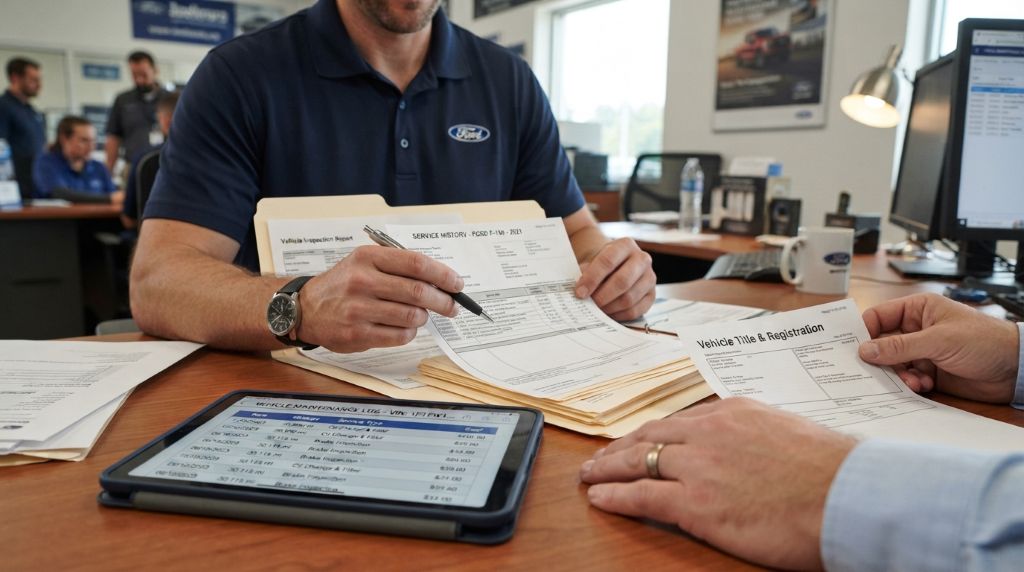
Service records tell you how well the car was cared for. Look for regular oil changes, brake work, tire rotations, and completed recalls. A car with consistent maintenance at a trusted shop is usually a safer bet. On the other hand, a report with no service history means you are guessing.
In short, documented care predicts reliability. Therefore, treat a thick, clean service history as both a selling point and a bargaining tool at the table.
Red Flags That Should Stop the Deal
Sometimes the report screams at you. Walk away when you see any of the following:
- A salvage, flood, or junk title brand
- Odometer readings that decrease over time
- Frame or structural damage, even if repaired
- Airbag deployment with no record of proper replacement
- Several owners within a short period
- Title moves between multiple states in quick succession
- A salvage auction sale right after a damage entry
- A VIN mismatch between the car, title, and report
Any single item on this list deserves a full explanation. In fact, most of these issues have no good explanation at all. There are plenty of honest cars on the market. Therefore, never let a charming seller pressure you into a risky one. Another deal is always around the corner.
Final Thoughts
Learning how to read a vehicle history report takes about twenty minutes. Those minutes can save you from a $15,000 mistake. Match the VIN, study the title, read every accident entry, and watch the odometer. Then back everything up with a mechanic’s inspection by following this guide to vehicle inspections, which can help you understand what to look for before buying a used vehicle.
I still remember the flooded hatchback I avoided. One $35 report protected me from years of rust and electrical chaos. The same protection is available to you today, so never skip this step.
Have you ever caught a hidden problem with a history report? Share your story in the comments below. Additionally, pass this guide to a friend who is car shopping right now.
Frequently Asked Questions
How much does a vehicle history report cost?
Most reports cost between $25 and $45. Many dealers provide them free, so always ask before paying.
Are free vehicle history reports reliable?
Free reports cover basics like title brands. Paid reports add accident, service, and ownership detail. Therefore, use both when possible.
Can a vehicle history report miss accidents?
Yes. Cash repairs and unreported crashes never enter the databases. Pair the report with a mechanic’s inspection.
What does a salvage title mean?
An insurer declared the car a total loss. It may have been rebuilt, but it carries lower value and higher risk.
Where can I get a vehicle history report?
You can buy reports from Carfax, AutoCheck, or NMVTIS-approved providers at vehiclehistory.gov.
