
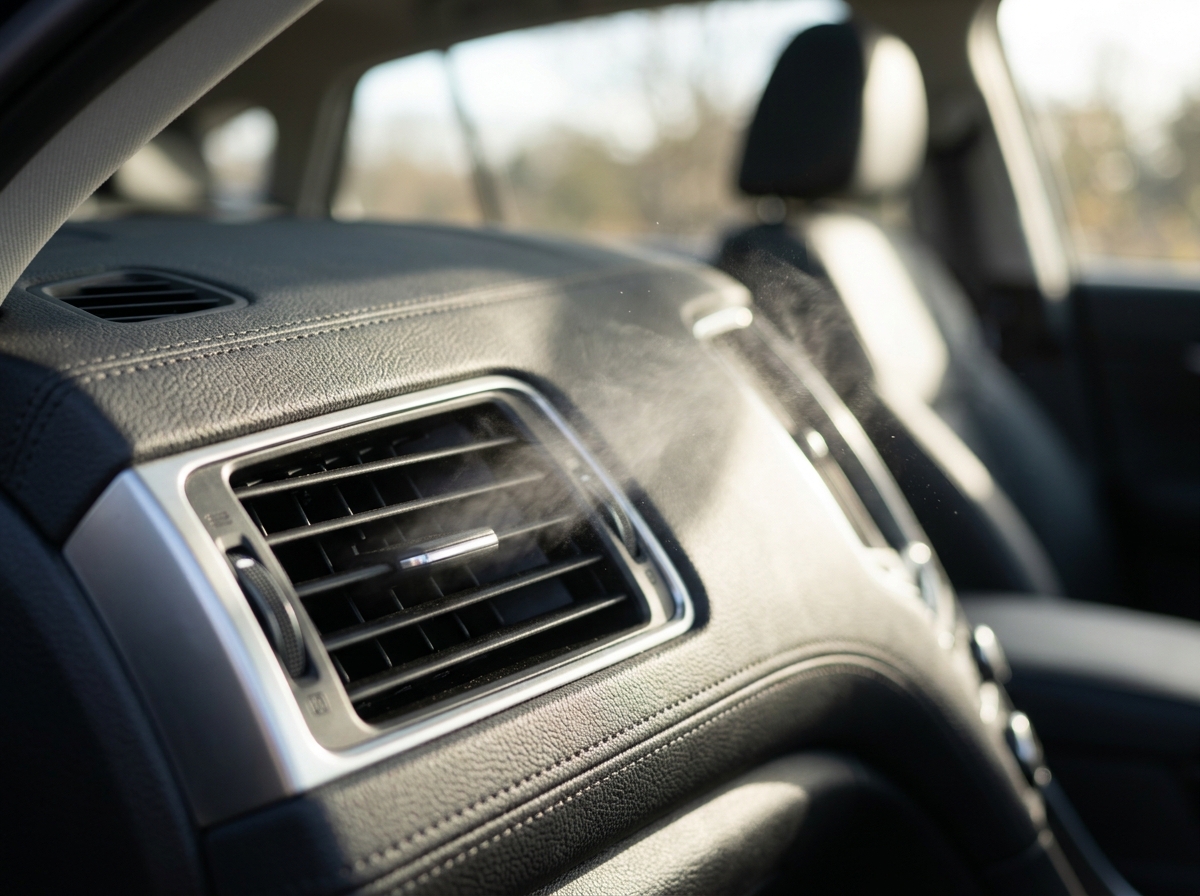
A sharp, sour smell from your vents is one of the most common car complaints, and the usual advice is, ‘it’s mold, clean it.’ That is often right, but according to industry insights from //www.autonags.com/, it leaves out the questions that matter: how to confirm it is mold, what to do first, what not to spray, how long a fix lasts, and whether it is safe to breathe. This guide covers all of that, in the order you should try things.
The Short Answer
A vinegar smell from your car’s AC is most often caused by bacteria or mold growing on the evaporator, the cold part of the air conditioning system that cools the air before it reaches your cabin. When the AC runs, moisture collects on the evaporator. If that moisture stays trapped because of a dirty cabin air filter, a clogged drain, or simply a damp, dark housing, microbes grow and release odors.
The fastest checks are the cabin air filter and the evaporator drain. If those are fine, a foaming evaporator cleaner usually fixes it. If the smell is not vinegar-like at all, or comes with other symptoms, jump to the diagnostic table below.
Why Vinegar Specifically?
Vinegar gets its smell from acetic acid. Microorganisms growing in damp, dusty places can give off various acidic and sour-smelling compounds as byproducts, and the sharp, sour note is why many people describe the odor as vinegar. Others call the same problem musty, like a gym bag or wet dog, and the difference often depends on which microbes are growing and what they feed on (dust, pollen, leaves, and other organic debris).
The key point is practical: a sour or vinegar-like smell that shows up when you turn on the AC or fan is a sign of moisture and growth inside the system, not a sign that anything is wrong with your engine.
Is It Really the AC? A Quick Diagnostic
Before you buy anything, narrow down where the smell comes from.
Test 1: Turn the AC off. Press the AC button off and drive with the fan only. If the smell fades or changes, the evaporator is the likely source. If the smell stays with the AC off, look beyond the HVAC system, for example, at spilled liquids soaked into carpet or seat foam.
Test 2: Check for dampness. Press on the carpet under the dash and the passenger footwell. A wet or musty-smelling floor, along with the odor, points to a clogged evaporator drain.
Test 3: Note when it happens.
| What you notice | Likely meaning | What to do |
| Sour smell for the first minute, then fades | Moisture and growth on the evaporator or in the vent box | Dry-out habit, cabin filter, foam cleaner |
| Smell is constant whenever the fan runs | Heavier growth or a dirty filter | Replace the filter, then clean the evaporator |
| Smell plus damp carpet or no water dripping under the car | Clogged evaporator drain | Clear the drain, dry the carpet |
| Sweet smell, foggy windshield, or coolant loss | Possible heater core or coolant leak | Have a mechanic check it promptly |
| Rotten-egg smell | Often a battery or exhaust-related problem | Have a mechanic check it |
| Burning or hot plastic smell | Possible electrical or blower motor issue | Stop using the system and have it inspected |
| Smell persists with the AC off and the fan off | Source is not the AC | Check for spills, trash, and wet carpet |
This table is a general guide, not a diagnosis. Some articles also blame a leaking battery, refrigerant, or ozone for a vinegar-like scent, so if the mold fixes below do not work, ask a mechanic to look at the system.
The Fix Ladder: Start Cheap, Escalate Only If Needed
Step 1: Replace the cabin air filter
This is the cheapest fix and often the first one to try. A dirty filter holds moisture and debris that feed growth.
- Locate the filter (often behind the glovebox or under the cowl near the windshield). Your owner’s manual or a model-specific video shows where.
- Replace it if it is dirty, damp, or smells.
- Intervals vary. You will see 12,000 to 15,000 miles in some guides and 15,000 to 30,000 miles in others, so follow your owner’s manual and replace it sooner if you drive on dusty roads, in heavy pollen, or in a humid climate.
- A charcoal filter can help with odors going forward, but it will not clean an evaporator that is already contaminated.
Step 2: Check the evaporator drain and the cowl
The evaporator collects water in a pan, and that water exits through a drain tube under the car.
- Run the AC on a warm day and look under the car. You should see water dripping or a small puddle after a while.
- If no water appears, and especially if the passenger carpet is damp, the drain may be clogged.
- Clear leaves and debris from the cowl area below the windshield, because blocked cowl drains can send water toward the cabin air filter.
- Drain locations vary by model, so look up yours before probing. Use a soft tool or compressed air and do not force anything into the tube.
Step 3: Use a foaming evaporator cleaner
This is the main DIY fix for the cause itself.
- Buy a cleaner made for car AC evaporators. Consumer foaming cleaners are commonly priced around $12 to $25.
- The foam is usually injected through the drain tube, into the evaporator housing, or through the cabin air filter opening, depending on the product and the car. Follow the directions on the can exactly.
- The foam expands, breaks down grime, and then liquefies and drains out.
- Afterward, run the fan (and then the AC) on high to dry everything out.
- Some products add an antimicrobial coating intended to slow regrowth.
Safety: park outside or in a ventilated space, wear gloves and eye protection, keep foam away from electrical connectors and the blower motor wiring, and follow the product’s warnings. If you cannot reach the access point on your car, move to the next step.
Step 4: Professional cleaning
If the smell returns quickly or you cannot reach the evaporator, a shop can clean the system more thoroughly.
- Some shops clean without removing the evaporator (faster and cheaper but less thorough), and some clean with the evaporator removed (a deeper clean for heavily contaminated systems).
- Prices vary a lot by location, car model, and shop labor rates, so ask for a written quote and what it includes.
- A professional cleaning is the sensible route if anyone in the car has allergies or asthma, since you want the growth removed rather than covered up.
Step 5: Evaporator replacement (last resort)
Replacing the evaporator can be a labor-heavy job because it often sits behind the dashboard. It is rarely the first step for a smell. Consider it only after cleaning has failed, or if a mechanic finds damage or a leak. Get a second opinion and a quote before agreeing.
What Not to Use: The Household Vinegar and Bleach Myth
Because the smell is vinegar-like, some articles suggest cleaning the system with vinegar and water, even poured down the drain tube. Others warn against it. Here is the safer approach:
- Skip household vinegar and bleach. They are not designed for the evaporator, the drain, the plastic housing, or nearby electronics, and they can leave their own smell. Use a product made for car AC systems instead.
- Do not use odor bombs or foggers as a fix. They tend to mask the smell rather than remove growth.
- Do not rely on air fresheners. They cover the odor but leave the cause in place.
- Follow the label on any automotive cleaner, including where to apply it and how long to run the system afterward.
If you have already put a household product in the system, run the fan on high with the windows open to ventilate, and consider a professional rinse if the smell is now worse.
How Long Will the Fix Last?
Set realistic expectations:
- If the mold or bacteria colony is still on the evaporator, the smell can return within days. A filter swap alone will not remove an existing colony.
- A foaming cleaner removes much of the growth, and some products leave a coating that may keep the system fresh for months, in some cases around a year. Results depend on the product, your climate, and your habits.
- Treatments that only mask odor, including some sprays, may provide short relief without removing the cause.
- As a car ages, grime builds up in the drain tube and evaporator housing, and the smell may come back faster.
The best way to make a fix last is the dry-out habit below.
The Dry-Out Habit That Prevents the Smell
The evaporator is cold and damp after the AC runs. If you shut the car off right away, that moisture sits there and feeds growth.
What to do: for the last minute or two of your drive, turn the AC button off but leave the fan running on high. Warm ambient air blows across the evaporator and dries it before you park.
A few practical notes:
- Cars with automatic climate control: the system may keep the compressor running in auto mode. If your car allows it, switch the AC off manually (or choose fan-only) near the end of the trip.
- Recirculate versus fresh air: the recirculate setting reuses cabin air. If the cabin is humid, for example after a rainy day with wet coats and floor mats, use fresh air for a while to move that moisture out.
- Parking: parking in shade helps, because a cooler cabin means less condensation. Avoid parking under trees where leaves can clog the cowl.
- Hybrids and EVs: the cause and the fix are the same as in other cars: a clean filter, a dry evaporator, and a clear drain. Check your owner’s manual for how your climate system works.
- Use the AC regularly, even in cool weather, and run the fan on fresh air now and then to keep the system dry.
Is the Smell Harmful?
A vinegar-like or musty smell usually means microbial growth, and mold and bacteria in ventilation systems can irritate some people. Common effects include a stuffy nose, sneezing, itchy eyes, coughing, or headaches while driving, and people with allergies or asthma may react more strongly.
- If the smell is mild and you feel fine, it is reasonable to follow the fix ladder above soon rather than ignore it.
- If you or a passenger has allergies, asthma, or a weakened immune system, go straight to a thorough cleaning.
- If you notice breathing problems, wheezing, or symptoms that improve when you are out of the car, talk to a doctor.
This section is general information, not medical advice.
Can I Keep Driving?
Usually yes. A vinegar smell from mold is not a mechanical safety problem and does not affect how the engine runs. The exceptions are the symptoms in the table above that suggest something else: a sweet smell with a foggy windshield, a burning smell, or any smell with warning lights or loss of cooling. Have those checked promptly.
Model-Specific Help
Cabin filter and drain locations differ a lot between vehicles. Before you start, look up your exact make, model, and year and find:
- Where the cabin air filter is and how it comes out.
- Where the evaporator drain tube exits under the car.
- Where the manufacturer or cleaner instructions say to inject foam.
Your owner’s manual and model-specific videos are the best sources. If you are unsure, a quick shop visit for a filter replacement and drain check is inexpensive.
Quick Checklist
- Turn the AC off and see if the smell changes.
- Check for damp carpet and a missing drain drip.
- Replace the cabin air filter.
- Clear leaves and debris from the cowl and check the drain.
- Use a foaming evaporator cleaner made for cars, and dry the system afterward.
- Adopt the fan-only habit before parking.
- If the smell returns fast, or anyone has allergies, book a professional cleaning.
- If you notice sweet, burning, or rotten-egg smells, have a mechanic inspect the car.
Frequently Asked Questions
Why does my car AC smell like vinegar when I first turn it on?
Moisture and microbial growth on the evaporator and in the vent box build up while the car is off. The first blast of air carries that smell into the cabin, and it often fades as the system dries.
Why does the smell come and go?
It depends on humidity, how long the car sat, and whether the evaporator was damp when you parked. Wet weather and short trips make it worse.
Does baking soda or an air freshener fix it?
They may reduce the smell briefly but do not remove the growth that causes it.
Can I pour vinegar through my AC to clean it?
It is not recommended. Use a cleaner made for automotive AC systems and follow its instructions.
How often should I replace the cabin air filter?
Follow your owner’s manual. Replace it sooner if you drive on dusty roads, in heavy pollen, or in humid weather, or if it looks dirty or smells.
How often should I clean the AC system?
There is no single schedule. Many people clean it when a smell appears or once a year in humid climates. Good habits and a fresh filter reduce how often you need to.
Will a professional cleaning fix it permanently?
It removes existing growth, but moisture can bring it back. Keep the filter fresh, keep the drain clear, and use the fan-only habit.
Can a refrigerant leak cause a vinegar smell?
Some articles say so. If your cooling is weak or the smell does not respond to cleaning, ask a mechanic to check the system rather than guessing.
Does this happen in EVs and hybrids?
Yes. The cause and the fix are the same as in any other car.
Bottom Line
A vinegar smell from your car AC is usually microbial growth on a damp evaporator. Confirm it with the AC-off test, replace the cabin filter, check the drain, and use a car-specific foaming cleaner before you pay for anything bigger. Skip household vinegar and bleach, use the fan-only habit before parking to keep it from coming back, and move to a professional cleaning if the smell returns quickly or anyone in the car is sensitive to mold. If the smell is sweet, burning, or like rotten eggs, have a mechanic look at it.
