
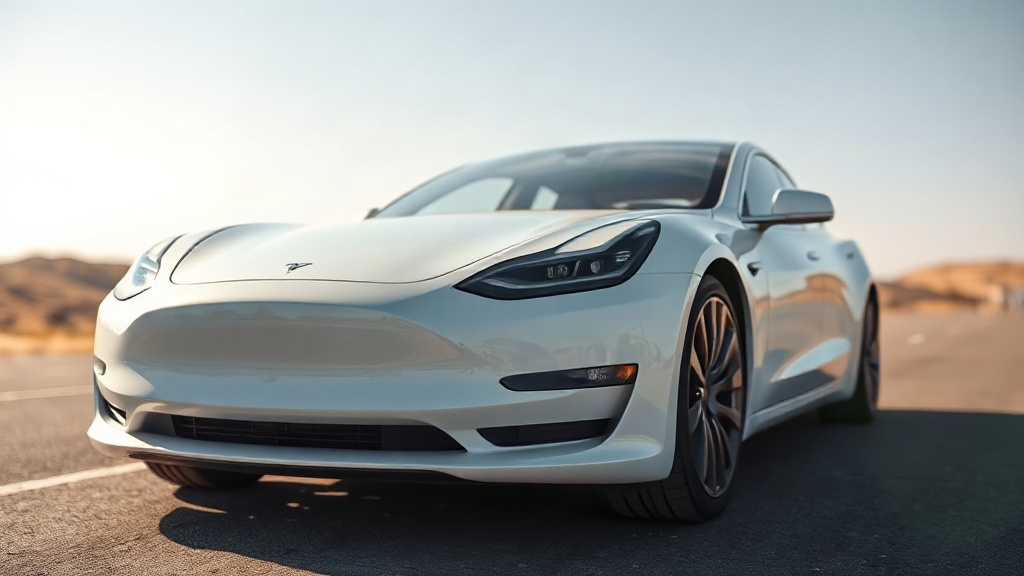
Are Teslas Worth It? Honest Ownership Costs After Years of Driving is the question that surfaces around year three or four, when the novelty fades and the bills arrive. The purchase price is only the opening act. Insurance, tires, charging, repairs, and resale value write the rest of the story.
Quick answer: For most owners with home charging and average mileage, a Tesla costs less to run than a comparable gas car, mainly through fuel and maintenance savings. The math flips if you rely on fast charging, drive few miles, or face an out-of-warranty repair. Battery health and resale value matter more than any single line item.
This guide breaks down what years of ownership actually cost, where the savings are real, and which mistakes quietly drain your wallet.
What is Are Teslas Worth It? Honest Ownership Costs After Years of Driving?
The honest version of this question looks past the sticker price. It asks what a Tesla costs per year once you factor in electricity, insurance, tires, registration, depreciation, and repairs. That total, divided by miles driven, tells you whether the car earns its keep.
A few cost structures separate Teslas from gas cars:
- Fuel becomes electricity. Home charging often costs a fraction of gasoline per mile. Public fast charging narrows that gap sharply.
- Maintenance is lighter. No oil changes, spark plugs, or transmission fluid. Brakes last longer because regenerative braking does most of the slowing.
- Tires wear faster. The car’s weight and instant torque chew through rubber, so you may replace tires more often than on a lighter sedan.
- Depreciation is front-loaded. Like most cars, the steepest value drop happens in the first few years.
A rough annual picture for an average driver helps frame the trade-offs. The categories below are typical, not guaranteed; your insurance quote and electricity rate will move the numbers.
| Cost category | Typical pattern over several years |
|---|---|
| Electricity | Low with home charging, high with public fast charging |
| Insurance | Often higher than a comparable gas car |
| Tires | Replaced more frequently due to weight and torque |
| Routine service | Minimal; cabin filters, brake fluid checks, tire rotations |
| Major repairs | Rare, but costly out of warranty |
The pattern that emerges: Teslas reward high-mileage drivers who charge at home. They punish low-mileage drivers who lean on public chargers and pay premium insurance.
That split explains why owner satisfaction and owner complaints often sound like they describe different cars. The variable that predicts satisfaction best is not which model you buy but how and where you charge it. Before you buy, estimate your realistic split between home and public charging, because that ratio shapes every year that follows.
The surrounding climate matters too. Cold winters reduce range and push more energy into cabin heating, while very hot climates can stress a battery over time. Neither rules a Tesla out, but both deserve a line in your estimate if you live where seasons are extreme.
The cheapest Tesla to own is usually the one charged at home overnight on a low off-peak rate. The most expensive is the one fed by public fast chargers in a state with high electricity prices.
Takeaway: Total cost per mile, not purchase price, is the number that answers whether a Tesla pays off for you.
Why Are Teslas Worth It? Honest Ownership Costs After Years of Driving matters
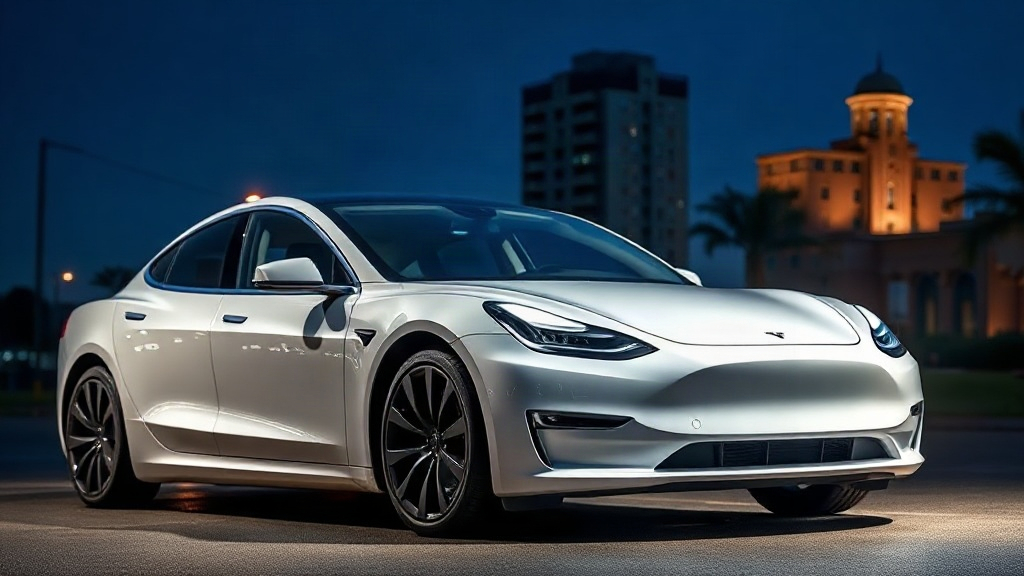
Getting this math right changes real decisions. A car payment is fixed, but running costs compound quietly over five or seven years. A few hundred dollars a month in fuel and service savings can offset a higher purchase price, or it can vanish if your situation works against you.
Consider two drivers with the same Model 3. The first drives 15,000 miles a year, charges overnight at 12 cents per kWh, and pays $1,600 a year in insurance. The second drives 6,000 miles, relies on a fast charger near work, and pays $2,400 in insurance. Over five years the running-cost gap between them can exceed $10,000, even though they bought identical cars.
That spread is why generic online calculators mislead. They lean on national averages for electricity and insurance that almost no single driver actually pays. Substitute your own utility rate, your own quote, and your own annual mileage, and the estimate becomes worth trusting.
The savings are real, but conditional
Electricity is often cheaper per mile than gasoline, especially with home charging on an off-peak rate. Maintenance savings are also genuine: fewer moving parts, no oil changes, and longer brake life. Those two categories carry most of the financial case for a Tesla.
The costs people forget
Insurance is frequently the sleeper expense. Teslas can cost more to insure than gas cars of similar price because of repair complexity and parts costs. Tires are the second surprise. A heavy car with strong acceleration wears rubber faster, and replacement sets are not cheap.
Depreciation and battery health
Resale value has swung widely across the used EV market in recent years, so treat any projection with caution. Battery degradation matters too, though most packs hold up better than early skeptics predicted. A health check before buying used protects you from inheriting someone else’s problem.
Takeaway: Tesla ownership rewards planning. The people who run the numbers before buying rarely get blindsided later.
Best practices
Smart ownership starts before you sign and continues through every year of driving. These habits keep costs predictable.
Revisit your assumptions once a year instead of once at purchase. Utility rates change, insurance renewals arrive with new pricing, and your commute may shrink or grow. A ten-minute annual review keeps your estimate honest and flags problems, like a rising premium or an aging set of tires, before they become a surprise.
Keep the mobile app’s service reminders active and schedule tire rotations at the recommended interval rather than waiting for vibration or uneven wear. Rotating on time typically costs a small fraction of a premature replacement set, and it evens out wear across all four corners.
Run a total cost estimate before buying
Build a simple spreadsheet. List your annual miles, your home electricity rate, an insurance quote, and estimated tire life. Compare that total against the gas car you would otherwise buy. Use your real electricity rate, not a national average. The difference between a low off-peak rate and a high peak rate can swing your fuel savings by hundreds of dollars a year.
Charge at home whenever possible
Home charging is the single biggest lever on running costs. Install a home charger if you can, and schedule charging for off-peak hours when your utility offers a lower rate. Reserve public fast charging for road trips.
Protect the battery with simple habits
Keep daily charging within the recommended range for your model, avoid leaving the car at very low charge for long stretches, and precondition in cold weather when your car supports it. These habits slow degradation over years.
Budget for tires and insurance
Set aside money for tires every few years rather than treating the bill as a shock. Shop insurance quotes at every renewal; rates vary a lot between providers for the same driver.
Keep a simple log of every cost tied to the car. After two years you will know your true cost per mile, which is far more useful than any estimate.
Takeaway: Small habits, repeated for years, decide whether a Tesla is cheap or expensive to own.
Common mistakes to avoid
Most ownership regrets trace back to a handful of avoidable errors. Watch for these.
Another error is buying during a promotional rate cut and assuming that price will hold if you sell in three years. Tesla has cut sticker prices repeatedly, and those cuts land directly on the resale values of cars already on the road. Plan your exit on a conservative value, not the price you paid.
Skipping a pre-purchase inspection on a private sale is risky even with a clean Carfax. Pay a Tesla-experienced shop or a mobile technician to check suspension components, control arms, and the condition of the charging port. A few hundred dollars upfront can uncover a four-figure repair.
Finally, some owners renew insurance on autopilot year after year. Premiums for the same car and driver can vary by hundreds of dollars between carriers, so re-shop every renewal and ask specifically about repair-network and parts-availability terms.
Buying without checking insurance first
Get an insurance quote before you commit. A surprisingly high premium can erase years of fuel savings, and it is far easier to walk away before signing than after.
Assuming public charging is cheap
Fast charging can cost close to gasoline per mile in some regions. If you cannot charge at home, run the numbers carefully. This single factor reshapes the entire ownership case.
Skipping a battery health check on used cars
A used Tesla can be a bargain, but verify battery health and service history. A pack that has degraded heavily reduces range and resale value at once.
Ignoring tire wear and alignment
Rotate tires on schedule and check alignment. Uneven wear shortens tire life, and replacement sets are a meaningful cost over several years.
Overestimating resale value
Do not build a budget on an optimistic resale figure. Used EV prices have moved sharply, so plan for a range of outcomes rather than a best case.
Out-of-warranty repairs on any EV can be expensive. Know your warranty terms, especially for the battery and drive unit, before the coverage ends.
Takeaway: Most Tesla cost surprises are predictable. A little homework before buying prevents most of them.
FAQ
How much does it cost to own a Tesla per year?
It varies widely by insurance, electricity rate, and mileage. Drivers with home charging and average miles often spend less on fuel and service than gas-car owners, while high insurance or public charging can push costs up.
Is a Tesla cheaper to maintain than a gas car?
Usually yes for routine service, since there are no oil changes and brakes last longer. Tires can cost more because of the car’s weight and torque, so the savings depend on how you drive.
Should I buy a used Tesla to save money?
A used Tesla can be a strong value, especially after the steepest depreciation has passed. Check battery health, warranty remaining, and service history before buying.
Can I own a Tesla without home charging?
You can, but the cost case weakens. Relying on public fast charging raises your per-mile cost and adds time to your routine.
Conclusion
A Tesla pays off when your situation matches its strengths: home charging, decent mileage, and patience with insurance and tire costs. It disappoints when you lean on public charging or ignore the numbers before buying. Are Teslas Worth It? Honest Ownership Costs After Years of Driving comes down to your own cost per mile, not someone else’s review. Build a simple estimate with your real rates, get an insurance quote, and check battery health on any used car. Then decide with numbers in hand.
