
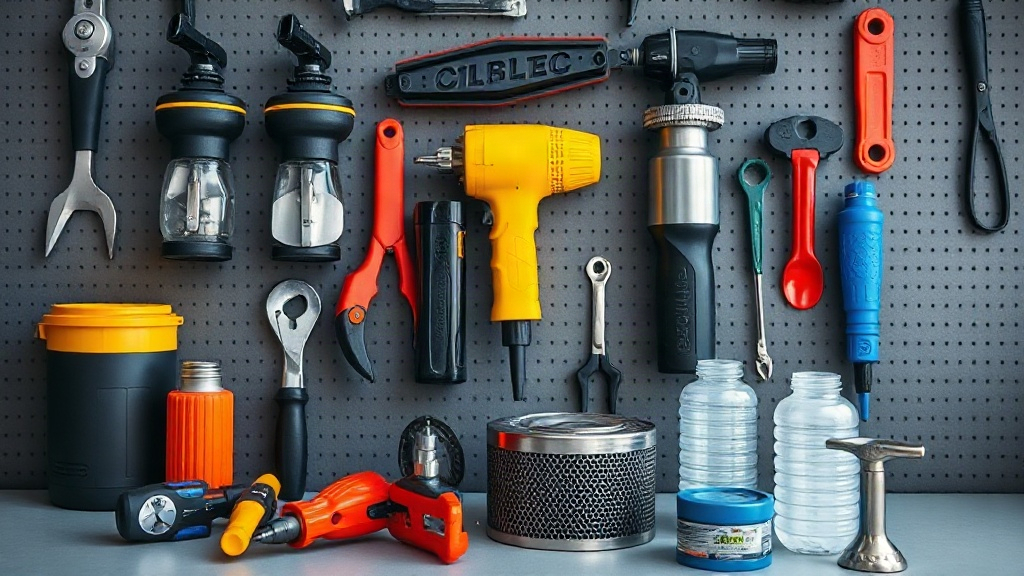
A new car brings freedom, but it also brings small maintenance tasks you cannot avoid forever. Building a starter collection of essential garage tools every new car owner can rely on saves money and prevents roadside panic. You do not need a full workshop; a modest, well-chosen set handles most routine jobs. Plenty of practical DIY tool guides exist to help you expand that kit over time, so start simple and add as needs appear.
Quick answer: Buy a basic hand tool set, a jack with two sturdy stands, tire pressure and tread tools, jumper cables, a flashlight, gloves, and a fire extinguisher. These cover tire care, battery trouble, and quick inspections. Add specialized tools only when a specific job calls for them.
What is essential garage tools every new car?
A starter garage kit is the group of hand tools and safety items that let you handle routine checks and minor fixes at home. It is not a mechanic’s rolling cabinet. It is a sensible collection that covers the jobs a typical owner faces in the first few years: checking tires, topping up fluids, replacing wipers, and dealing with a flat battery.
The core list falls into a few practical groups:
- Driving and tightening: a socket and wrench set, screwdrivers in common sizes, pliers, and a small hammer.
- Lifting and supporting: a floor jack and two jack stands rated for your vehicle’s weight. A wheel chock adds stability.
- Tire care: a reliable tire pressure gauge, a portable inflator, and a tread depth gauge.
- Electrical and emergency: jumper cables or a jump-starter pack, a bright flashlight, work gloves, and a fire extinguisher.
- Fluids and cleanup: a funnel, shop rags, a drain pan, and a small storage box or shelf to keep everything organized.
Each item earns its place by solving a problem you can realistically meet. A tire pressure gauge costs very little and helps you catch slow leaks before they strand you. A socket set lets you tighten a loose battery terminal or remove a splash guard. Jumper cables turn a dead battery into a five-minute delay instead of a tow truck call.
Quality matters more than quantity. A cheap wrench that rounds bolt heads creates more work than it saves. Buy the best version of a few tools you can afford, then fill gaps as specific projects appear.
Takeaway: Build around the jobs you actually face — tires, battery, fluids, and basic fasteners — and skip the specialty tools until you need them.
Why essential garage tools every new car matters

Owning the right tools changes how you respond to small problems. Without them, a slow tire leak or a loose hose clamp means a shop visit, a wait, and a bill for work that takes minutes. With a basic kit, many of those moments become quick home fixes.
Cost is one reason to care. Shops charge for labor on even minor jobs, and a single visit for something simple can cost more than a starter tool set. Doing routine checks yourself also keeps you informed about your car’s condition. You notice a worn belt or low coolant early, before it becomes an expensive repair.
Safety is another factor. A roadside breakdown at night is far less stressful when you have a working flashlight, a reflective vest, and jumper cables in the trunk. Newer vehicles often ship with minimal equipment, so what you keep onboard matters.
There is also a confidence benefit. Learning to check tire pressure, top up oil, and inspect belts builds familiarity with your vehicle. That knowledge helps you describe problems accurately when you do need a professional. You become a better-informed owner rather than a passive one.
The trade-off is space and upfront cost. A full kit takes room in a garage or trunk, and quality tools are not free. Balance that against the likelihood of use. Most owners will use a jack, a pressure gauge, and jumper cables within the first year.
The first few jobs you handle yourself often cover the cost of the kit, especially simple tire and battery fixes.
Takeaway: A modest tool set turns routine car care into a quick home task and keeps you aware of problems before they grow.
Best practices
Keeping tools useful takes a little planning. The owners who get the most from a starter kit follow a few habits.
Store tools where you will reach them. A pegboard, a labeled toolbox, or a shelf near the car beats a pile in a drawer. If you cannot find a tool in under a minute, you will avoid using it.
Match tools to your vehicle. Check your owner’s manual for jack points, lug nut size, and the correct tire pressure. Buying metric sockets for a car that uses metric fasteners prevents stripped bolts. Confirm the jack and stands are rated above your car’s curb weight.
Check your kit twice a year. Batteries die, jumper cables fray, and fire extinguishers expire. A quick seasonal review keeps everything ready. Pair that review with a tire pressure check as temperatures change.
Learn one job at a time. Start with tire pressure and fluid checks, then move to wiper replacement and battery care. When a bigger task appears, such as securing oil drain plug connections during an oil change, learn the correct technique before you begin.
Keep safety gear with the tools. Gloves, safety glasses, a flashlight, and a fire extinguisher belong in the same place as your wrenches. Safety equipment you cannot find is not safety equipment.
A hydraulic jack can fail without warning. Always lower the vehicle onto rated jack stands before reaching underneath.
Takeaway: Organize, right-size for your car, review twice a year, and always support the vehicle properly.
Common mistakes to avoid
New owners often buy the wrong things first. Knowing these pitfalls saves money and frustration.
Buying a giant set you never open. A 200-piece kit looks impressive but includes sizes your car will never use. Start with a focused set and add pieces as jobs demand them.
Skipping safety gear. Cheaping out on jack stands or working without gloves and glasses invites injury. Safety items are not optional extras.
Ignoring the owner’s manual. The manual lists tire pressures, fluid types, and jack points. Guessing can damage the car or create a hazard.
Letting the trunk kit go stale. Jumper cables, flashlights, and extinguishers need checking. A dead flashlight at night is the same as having none.
Forcing a tool that does not fit. Using an adjustable wrench on a tight bolt or the wrong socket size rounds the fastener. Match the tool to the job and use steady pressure.
Storing tools loose in the trunk. Rattling metal damages itself and the car. A simple bag or box keeps things tidy and ready.
Lug nuts, drain plugs, and suspension bolts need the right tightness. A torque wrench removes the guesswork on jobs where overtightening causes real damage.
Takeaway: Avoid oversized kits, skipped safety gear, and mismatched tools; a small, correct set beats a large, random one.
FAQ
How much should a beginner spend on a starter tool kit?
Expect a modest outlay for a basic hand tool set, jack, stands, and tire tools. Quality used tools can lower the cost. Add specialty items only when a real job needs them.
Do I really need a torque wrench right away?
Not on day one. Buy one when you first tackle lug nuts or drain plugs. Correct tightness prevents stripped threads and loose wheels, so it becomes worthwhile quickly.
Can I keep the whole kit in my trunk instead of the garage?
Keep emergency items — cables, flashlight, gauge, gloves — in the trunk. Bulkier tools like the jack and stands can live in the garage and travel when needed.
What should I learn first with my new tools?
Start with tire pressure, tread checks, and fluid levels. These are safe, quick, and teach you how your car behaves. Move to battery and wiper jobs next.
Conclusion
A starter garage kit comes down to a few dependable items: hand tools, lifting and support gear, tire care, emergency equipment, and basic safety supplies. Buy quality over quantity, match everything to your vehicle, and review the kit twice a year. If you are starting from scratch, set a small budget and buy the core items this week — a socket set, a jack with stands, a tire gauge, and jumper cables. Store them together, read your owner’s manual, and learn one routine job at a time. That habit builds confidence and keeps your car in better shape for years.
