
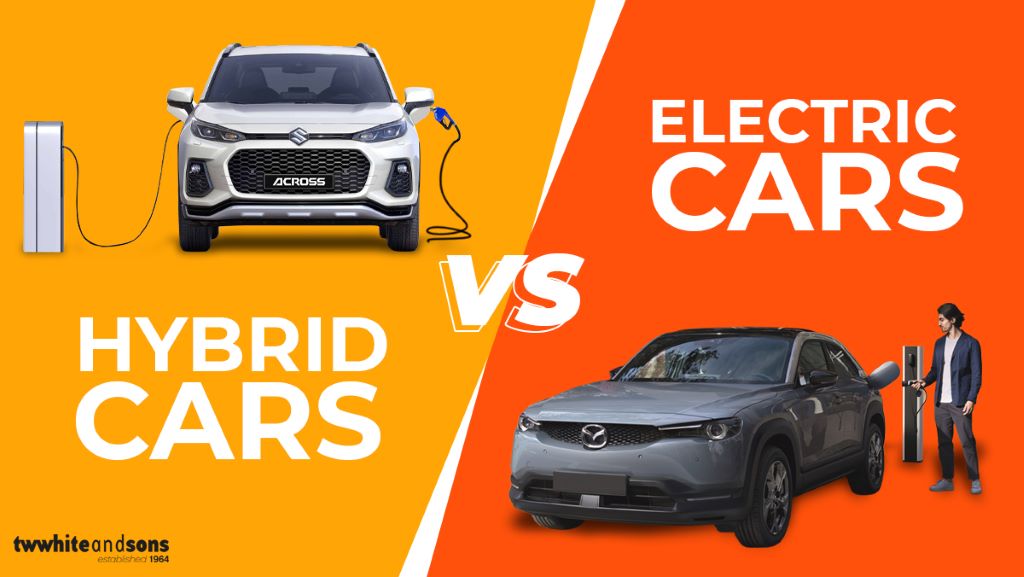
The automotive industry is undergoing a transformative shift, with electric and hybrid vehicles rapidly gaining popularity. With so many types of vehicles available, it can be challenging to determine which is the right choice for you. Whether you prioritize environmental impact, fuel efficiency, or long-term cost savings, understanding the differences between electric and hybrid vehicles is essential in making an informed decision. Electric vs. Hybrid Vehicles offer distinct advantages and considerations. Let’s delve into the pros and cons of both to help you make an informed decision.
Electric vs. Hybrid Vehicles: Understanding Electric Vehicles (EVs)
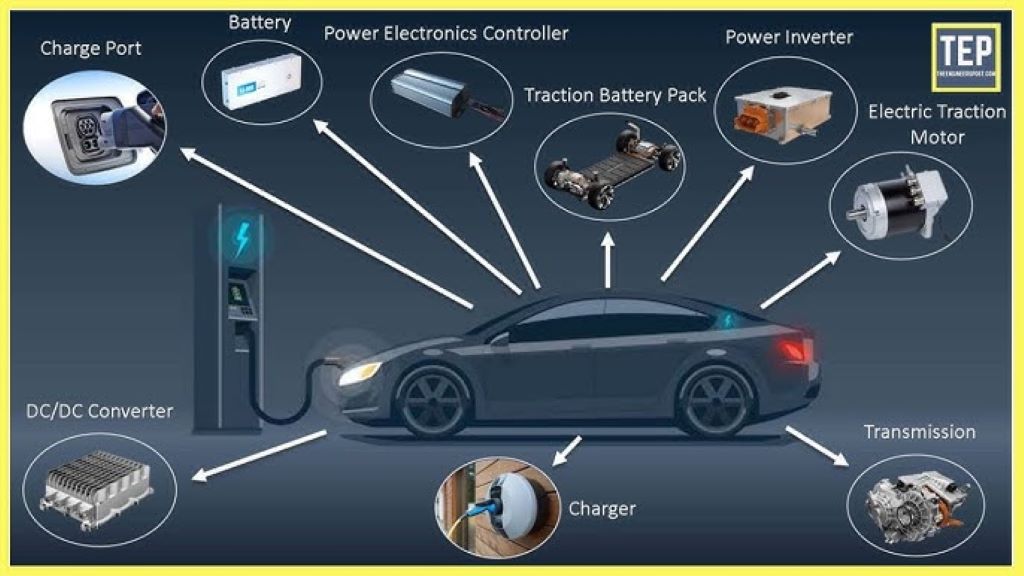
Electric vehicles are powered solely by electricity stored in batteries. They produce zero tailpipe emissions, making them a cleaner option for the environment.
Pros of Electric Vehicles:
- Environmental Friendliness: EVs produce zero tailpipe emissions, contributing significantly to improved air quality and reduced greenhouse gas emissions.
- Lower Operating Costs: Electricity is generally cheaper than gasoline, resulting in substantial savings on fuel costs. Additionally, EVs have fewer moving parts, leading to reduced maintenance expenses.
- Performance: Many EVs offer impressive acceleration and handling, thanks to instant torque delivery.
- Government Incentives: Various governments provide incentives, such as tax credits or rebates, to encourage EV adoption.
Cons of Electric Vehicles:
- Limited Range: While EV ranges have improved significantly, range anxiety remains a concern for some drivers, especially on long journeys.
- Charging Infrastructure: The availability of charging stations, particularly fast chargers, can vary depending on location.
- Higher Purchase Price: EVs generally have a higher upfront cost compared to traditional gasoline-powered vehicles. However, this difference is often offset by long-term savings.
- Battery Concerns: Battery life and replacement costs are factors to consider, although battery technology is rapidly advancing.
Electric vs. Hybrid Vehicles: Understanding Hybrid Vehicles
Hybrid vehicles combine a gasoline engine with an electric motor. They offer a balance between fuel efficiency and electric driving, making them a popular choice for many drivers.
Pros of Hybrid Vehicles:
- Improved Fuel Efficiency: Hybrids deliver better fuel economy compared to traditional gasoline-powered vehicles, resulting in cost savings.
- Reduced Emissions: While not as clean as EVs, hybrids produce fewer emissions than gasoline-only cars.
- No Range Anxiety: Hybrids can operate on gasoline when the battery is depleted, eliminating range concerns.
- Lower Purchase Price: Hybrids typically have a lower purchase price than EVs.
Cons of Hybrid Vehicles:
- Higher Complexity: The combination of gasoline and electric components can lead to increased maintenance costs compared to traditional gasoline vehicles.
- Limited Electric Driving: Hybrids primarily rely on the gasoline engine for propulsion, with the electric motor offering supplemental power.
- Less Environmental Impact: While hybrids are better than gasoline-only cars, they still produce emissions, making them less environmentally friendly than EVs.
Which is Best for You?
The ideal choice between an electric and hybrid vehicle depends on your individual needs, lifestyle, and priorities.
Consider an Electric Vehicle if:
- You prioritize environmental impact and are willing to embrace new technology.
- You primarily drive short distances and have access to charging infrastructure.
- You can afford the higher upfront cost and are willing to take advantage of government incentives.
Consider a Hybrid Vehicle if:
- You want to improve fuel efficiency without fully committing to an electric vehicle.
- You frequently drive long distances and are concerned about range anxiety.
- You have a limited budget for a new vehicle.
Electric vs. Hybrid Vehicles: Additional Factors to Consider
- Charging Infrastructure: Evaluate the availability of charging stations in your area and along your typical driving routes.
- Government Incentives: Check for available tax credits, rebates, or other incentives for electric or hybrid vehicles in your region.
- Vehicle Selection: Research different models to find one that suits your needs, preferences, and budget.
- Driving Habits: Consider your daily commute, driving distance, and charging options to determine the best fit.
- Long-Term Costs: Compare the overall cost of ownership, including purchase price, fuel or electricity costs, maintenance, and potential resale value.
Related: Essential Semi-Truck Maintenance: Your Guide to a Reliable Rig
Ultimately, the decision between an electric and hybrid vehicle is a personal one. By carefully considering the factors discussed above, you can select the option that best aligns with your values, lifestyle, and budget.
As technology continues to advance, the electric vehicle landscape is rapidly evolving. Stay informed about the latest developments to make the most of this exciting automotive transition.
Would you like to delve deeper into a specific aspect of electric or hybrid vehicles?
