
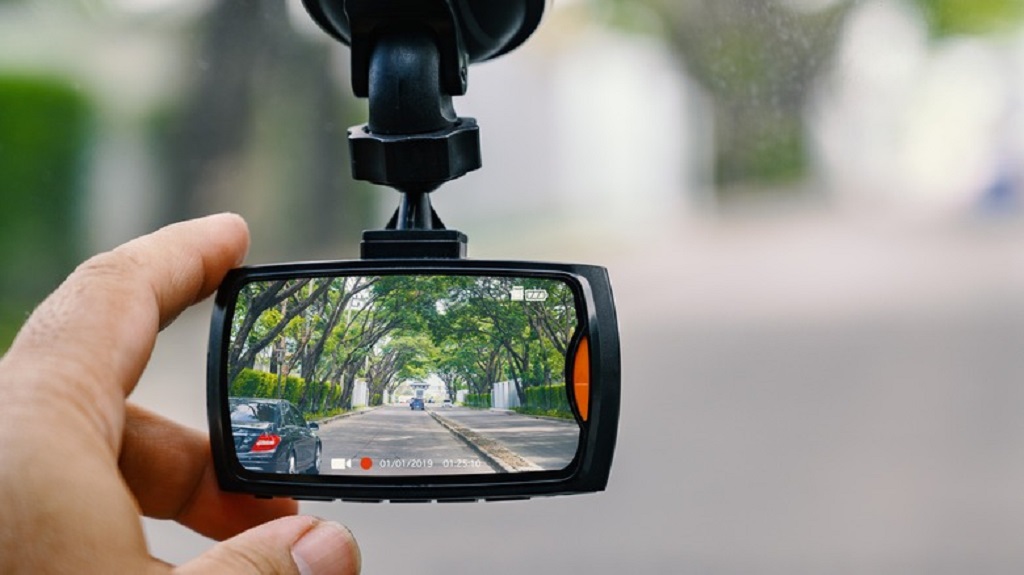
Dashcams have become increasingly popular, acting as silent witnesses to our journeys and providing crucial evidence in case of accidents. But what happens when you park your car and turn off the ignition? Does your dashcam go to sleep too, or does it keep vigil over your vehicle? The answer, like most things in tech, is: it depends.
This article delves into the fascinating world of dashcams and their “parking mode” capabilities. We’ll explore how different types of dashcams function when your car is off, the technology that makes it possible, and the factors that can influence their performance. Buckle up and get ready to learn everything you need to know about dashcams and parking mode.
Understanding Parking Mode
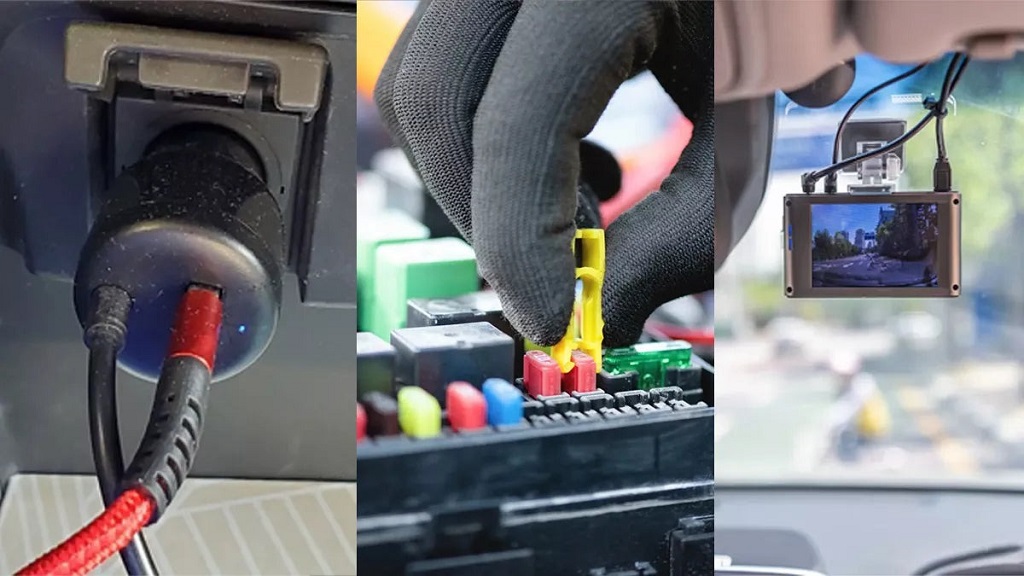
Parking mode is a feature found in many modern dashcams that allows them to continue recording even when your car is turned off. This is crucial for capturing incidents that might occur while your vehicle is unattended, such as hit-and-runs, vandalism, or theft. But how does it work?
Dashcams with parking mode essentially switch to a low-power state when you turn off your car, like a sleeping sentinel. They use motion or impact sensors to “wake up” and start recording if they detect any activity around your vehicle. This ensures that the dashcam captures crucial evidence without draining your car battery entirely.
Read More Also: Is Your Car’s Brain Misfiring? How to Check Your Ignition Control Module
Types of Parking Mode
There are primarily two types of parking mode:
- Motion Detection: This mode triggers recording when the camera’s sensor detects movement in its field of view. It’s useful for capturing incidents like someone bumping into your car or attempting to break in.
- Impact Detection: This mode activates recording when the built-in G-sensor detects a physical impact or jolt to your vehicle. This is particularly helpful in hit-and-run scenarios where the perpetrator might flee the scene.
Some advanced dashcams offer a combination of both motion and impact detection, providing comprehensive surveillance of your parked vehicle.
The Technology Behind Parking Mode
The magic of parking mode lies in the dashcam’s ability to draw power from your car’s battery even when the engine is off. However, to prevent completely draining the battery, most dashcams utilize one of these power solutions:
- Hardwiring: This involves connecting the dashcam directly to your car’s fuse box. This provides a continuous power supply, allowing the dashcam to operate in parking mode indefinitely. However, professional installation is usually recommended for hardwiring.
- External Battery Packs: These are separate battery packs that connect to your dashcam, providing power for parking mode without relying on your car’s battery. They offer a good balance between functionality and ease of installation.
- Built-in Batteries: Some dashcams come with small internal batteries that can power parking mode for a limited time. While convenient, these batteries typically offer shorter recording times compared to hardwiring or external battery packs.
Factors Affecting Parking Mode Performance
Several factors can influence the effectiveness of your dashcam’s parking mode:
- Camera Sensitivity: The sensitivity of the motion and impact sensors determines how easily the dashcam is triggered. Higher sensitivity might lead to more recordings, including false triggers, while lower sensitivity might miss some incidents.
- Recording Duration: The length of time the dashcam records after being triggered varies depending on the model and settings. Some dashcams record short clips, while others can capture longer events.
- Storage Capacity: The size of your dashcam’s memory card determines how much footage it can store. Once the card is full, older recordings are overwritten, so choosing a card with ample capacity is crucial.
- Battery Life: For dashcams with built-in batteries or external battery packs, the battery life dictates how long the parking mode can function.
- Environmental Factors: Extreme temperatures can affect battery performance and even damage the dashcam itself. Parking in shaded areas can help mitigate this issue.
Choosing the Right Dashcam for Parking Mode
When selecting a dashcam with parking mode, consider the following factors:
- Parking Environment: If your car is parked in a busy area with frequent movement, prioritize a dashcam with adjustable motion detection sensitivity to avoid excessive recordings.
- Security Concerns: If your primary concern is hit-and-runs or vandalism, opt for a dashcam with reliable impact detection and a G-sensor.
- Power Solution: Consider your DIY skills and budget when choosing between hardwiring, external battery packs, and built-in batteries.
- Video Quality: Ensure the dashcam records clear footage even in low-light conditions, as most parking mode recordings happen at night.
- Additional Features: Some dashcams offer extra features like time-lapse recording, which compresses hours of footage into a shorter video, saving storage space and making it easier to review.
Benefits of Parking Mode
Investing in a dashcam with parking mode offers several advantages:
- Peace of Mind: Knowing that your vehicle is being monitored even when you’re away provides peace of mind, especially if you park in areas prone to vandalism or theft.
- Evidence Collection: In case of a hit-and-run or other incident, your dashcam footage can serve as crucial evidence for insurance claims or legal proceedings.
- Deterrent Effect: The visible presence of a dashcam can deter potential wrongdoers, making your vehicle less likely to be targeted.
Conclusion
Dashcams with parking mode offer an extra layer of security for your vehicle, acting as vigilant guardians even when you’re not around. By understanding the different types of parking mode, the technology behind it, and the factors that influence its performance, you can make an informed decision and choose the right dashcam for your needs. With a reliable dashcam watching over your car, you can rest assured that any incidents will be captured and recorded, providing you with valuable evidence and peace of mind.
