
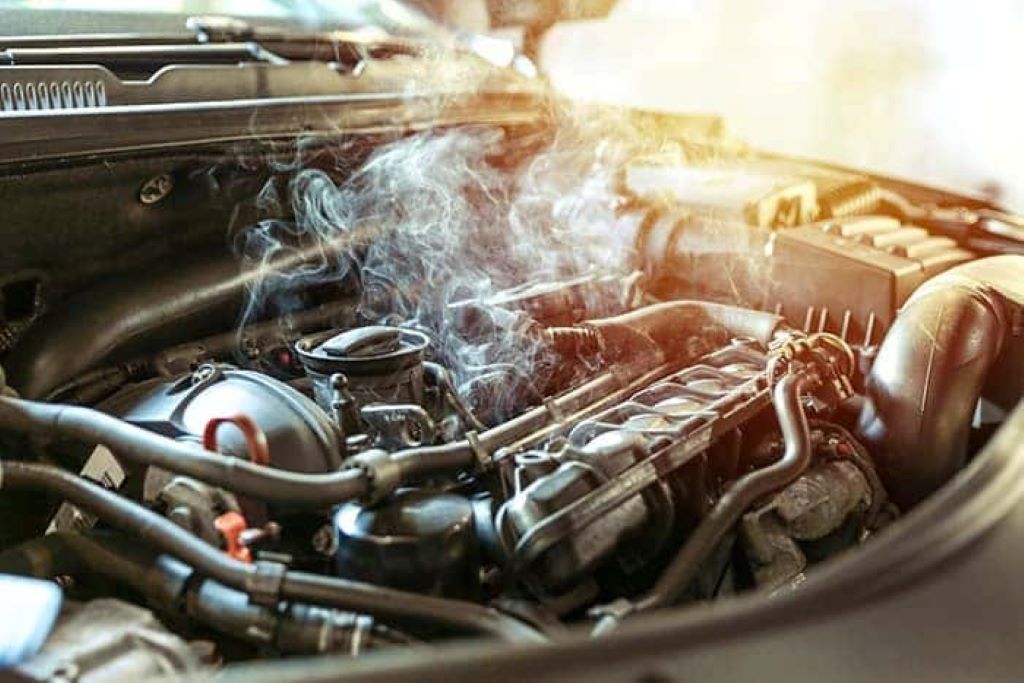
The rhythmic hum of a well-maintained engine is a symphony of mechanical harmony. But that harmony can quickly descend into a cacophony of trouble when the engine temperature gauge spikes, a stark indicator of overheating. One common culprit, often overlooked until it’s too late, is a low coolant level. Can low coolant level cause overheating? Absolutely. This seemingly simple issue can trigger a cascade of problems, ultimately leading to significant engine damage. Let’s delve deep into the mechanics of engine cooling, explore the critical role of coolant, and dissect the intricate relationship between low coolant levels and the dreaded phenomenon of overheating.
The Engine’s Internal Inferno: Understanding the Need for Coolant
Internal combustion engines, the heart of most vehicles, operate on the principle of controlled explosions. These combustions, while providing the power necessary for motion, generate immense heat. Without an effective cooling system, this heat would rapidly escalate, causing critical engine components to warp, seize, and ultimately fail. Coolant, a specially formulated liquid, acts as the engine’s thermal regulator. It circulates through the engine’s passages, absorbing excess heat and transferring it to the radiator, where it’s dissipated into the atmosphere. This continuous cycle maintains the engine’s operating temperature within a safe range, ensuring optimal performance and longevity.
The Composition and Function of Coolant: More Than Just Water
Coolant isn’t simply water; it’s a carefully balanced mixture of water and antifreeze (typically ethylene glycol or propylene glycol). This combination offers several crucial benefits:
- Freeze Protection: Antifreeze lowers the freezing point of the liquid, preventing it from solidifying in cold weather and potentially cracking engine components.
- Boil Protection: It also raises the boiling point, preventing the coolant from vaporizing under high temperatures, which would compromise its ability to absorb heat.
- Corrosion Inhibition: Coolant contains additives that prevent rust and corrosion within the cooling system, protecting vital components like the radiator, water pump, and hoses.
- Lubrication: It provides some degree of lubrication for the water pump, ensuring its smooth operation.
This precise formulation is essential for the coolant to effectively perform its heat-transferring and protective functions.
The Domino Effect: How Low Coolant Leads to Overheating
When the coolant level drops below the recommended threshold, the engine’s ability to regulate its temperature is severely compromised. Several factors contribute to this:
- Reduced Heat Capacity: A lower volume of coolant means less liquid is available to absorb the engine’s heat. This leads to a rapid increase in temperature.
- Air Pockets and Inefficient Circulation: As the coolant level decreases, air pockets can form within the cooling system. These air pockets disrupt the flow of coolant, preventing it from reaching critical areas of the engine. This uneven cooling creates hotspots, where localized temperatures can skyrocket.
- Compromised Radiator Function: The radiator relies on a sufficient flow of coolant to effectively dissipate heat. With low coolant, the radiator’s ability to cool the remaining liquid is diminished, leading to a further rise in engine temperature.
- Water Pump Inefficiency: The water pump, responsible for circulating the coolant, can struggle to function properly when the coolant level is low. It may draw in air, further hindering circulation and reducing its efficiency.
- Head Gasket Failure: In severe cases of overheating, the head gasket, a vital seal between the engine block and cylinder head, can fail. This can lead to coolant mixing with engine oil, further exacerbating the overheating issue and causing catastrophic engine damage.
Identifying the Culprits: Common Causes of Coolant Loss
Understanding the reasons behind coolant loss is crucial for preventing future overheating incidents. Common causes include:
- Leaks: Leaks can occur in various parts of the cooling system, including hoses, the radiator, the water pump, and the head gasket. These leaks can be caused by corrosion, damage, or wear and tear.
- Evaporation: Over time, some coolant evaporation is normal. However, excessive evaporation can indicate a problem, such as a faulty radiator cap.
- Head Gasket Failure: As mentioned earlier, a damaged head gasket can allow coolant to leak into the engine’s cylinders or oil passages.
- Faulty Radiator Cap: A malfunctioning radiator cap can prevent the cooling system from maintaining proper pressure, leading to coolant loss through evaporation or overflow.
- Damaged Hoses: Cracked or damaged hoses can leak coolant, especially under pressure.
- Water pump failure: A water pump can leak or fail to circulate coolant.
Recognizing the Signs: Detecting Low Coolant and Overheating
Early detection of low coolant and overheating can prevent serious engine damage. Key indicators include:
- Temperature Gauge Readings: A consistently high reading on the engine temperature gauge is a clear sign of overheating.
- Warning Lights: Many modern vehicles have warning lights that illuminate when the engine temperature is too high or the coolant level is low.
- Steam or Smoke from the Engine Compartment: This indicates that the coolant is boiling and escaping as steam.
- Sweet Smell: A sweet smell emanating from the engine compartment can indicate a coolant leak.
- Visible Coolant Leaks: Look for puddles of coolant under the vehicle or signs of leaks around hoses, the radiator, or the water pump.
- Low Coolant Reservoir Level: Regularly check the coolant reservoir level and top it up as needed.
Preventive Measures: Maintaining Optimal Coolant Levels
Preventing low coolant and overheating requires proactive maintenance:
- Regular Coolant Checks: Check the coolant level regularly, ideally at least once a month.
- Coolant Flush and Replacement: Follow the manufacturer’s recommended schedule for flushing and replacing the coolant.
- Radiator Cap Inspection: Inspect the radiator cap for damage and ensure it’s sealing properly.
- Hose Inspection: Regularly inspect hoses for cracks, leaks, or signs of wear.
- Professional Inspections: Have the cooling system inspected by a qualified mechanic during routine maintenance.
Common Causes of Car AC Failure: A Comprehensive Guide to Staying Cool on the Road
People Also Ask (FAQs):
Q: Can I just add water to my coolant reservoir?
A: While adding water in an emergency can help temporarily, it’s not a long-term solution. Water alone lacks the necessary additives for freeze protection, boil protection, and corrosion inhibition. Always use a 50/50 mixture of coolant and distilled water for optimal performance.
Q: How often should I flush my coolant?
A: The recommended coolant flush interval varies depending on the vehicle and the type of coolant used. Consult your vehicle’s owner’s manual for specific recommendations. Typically, it’s recommended every 30,000 to 50,000 miles or every two to five years.
Q: What color is coolant supposed to be?
A: Coolant comes in various colors, including green, yellow, orange, and blue. The color is typically determined by the type of antifreeze used. It’s crucial to use the correct type of coolant specified for your vehicle. Mixing different types can lead to corrosion and other problems.
Q: Can low coolant cause my car to misfire?
A: Yes, in severe cases of overheating caused by low coolant, the engine can experience misfires. This is because excessive heat can affect the ignition system and the air-fuel mixture.
Q: Is it safe to drive with a low coolant light on?
A: No, it’s not safe. Driving with a low coolant light on indicates a potential overheating risk. Pull over as soon as it’s safe to do so and allow the engine to cool down before checking the coolant level.
Q: Can a bad thermostat cause low coolant levels?
A: A bad thermostat can contribute to overheating, which can lead to coolant loss through boiling and overflow. Although the thermostat doesn’t directly cause a leak, it can contribute to the factors causing coolant to be lost.
Conclusion: Prevention is Key
The intricate relationship between low coolant levels and engine overheating underscores the importance of regular maintenance and proactive care. By understanding the mechanics of the cooling system, recognizing the signs of coolant loss and overheating, and adhering to preventive measures, vehicle owners can safeguard their engines from potentially catastrophic damage. Vigilance and timely intervention are paramount in ensuring the longevity and optimal performance of your vehicle’s engine. Don’t let the silent threat of low coolant lead to a costly breakdown.
Read More:
Tire Pressure Monitoring System Reset: The Ultimate Guide to Safety, Efficiency, and Longevity
