
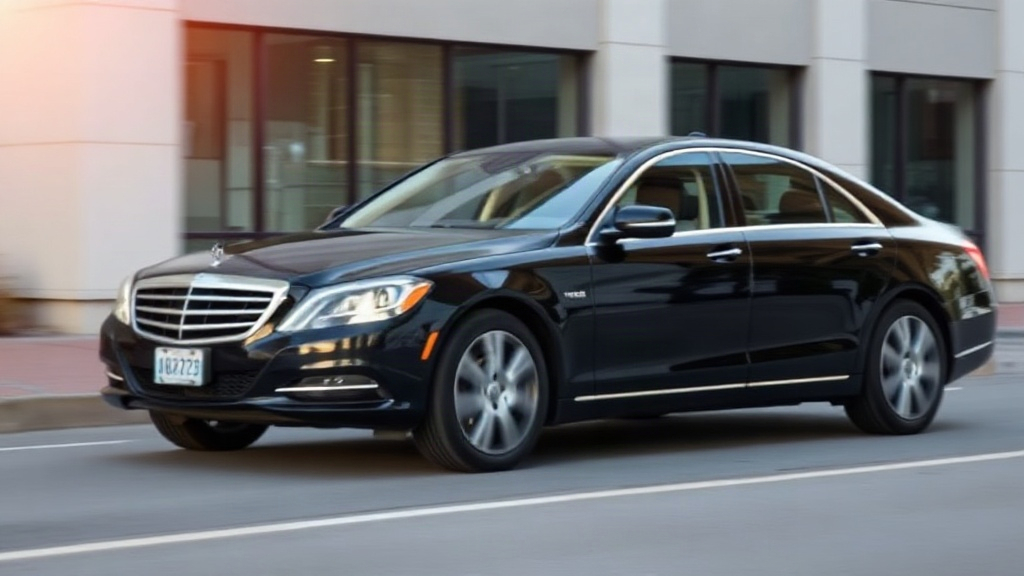
You can start a black car service business with one clean sedan, a chauffeur permit, and commercial insurance—but success depends on far more than a nice car. Maybe you have driven for a rideshare app and want more control over your schedule and income. Perhaps you already own a luxury vehicle and wonder whether it could earn money instead of sitting in a garage. This guide walks through the practical steps, the costs that surprise new operators, and the habits that separate a booked-solid service from one that folds in a year. If you want a broader look at how review-driven businesses build trust online, you can visit this site before you begin marketing.
Quick answer: Start by confirming your state and city licensing rules, then secure commercial insurance, a registered business entity, and a suitable vehicle. Price your trips to cover fuel, insurance, maintenance, and deadhead miles. Win your first clients through corporate accounts, hotel partnerships, and referrals rather than discount apps, and protect your reputation with punctual, professional service.
What is start a black car service business?
A black car service is a pre-booked, chauffeur-driven transportation company. Customers reserve rides in advance rather than hailing a car on the street. Vehicles are typically black sedans, SUVs, or vans, and the service targets airport transfers, corporate travel, weddings, and special events.
The term “black car” comes from the traditional livery industry, where black vehicles signaled a professional, reserved service. Many operators now run white or silver cars too, but the model stays the same: scheduled trips, professional drivers, and fixed or quoted pricing.
How it differs from rideshare
Rideshare apps connect passengers to drivers on demand, and the platform sets the price. A black car service works the other way. You or your dispatcher quote the fare, the customer books ahead, and the driver arrives at a set time. That structure allows higher rates and steadier planning, but it also requires you to find your own customers.
Regulation matters here. In most places, a black car service needs a livery or for-hire license, while rideshare drivers operate under a different permit. The rules vary by state and city, and some jurisdictions cap the number of livery permits they issue. Check with your local licensing authority before you spend money on a vehicle.
If the terminology feels confusing, it helps to understand what is a livery vehicle and how it differs from a taxi or a private car. That distinction shapes your insurance, your permits, and the trips you can legally accept.
The core business model
Revenue comes from scheduled trips, hourly chauffeur bookings (often called “as-directed” service), and corporate contracts. Repeat corporate accounts are the backbone of most profitable black car companies because they book regularly and pay predictable invoices.
Because trips are scheduled, you can group them, plan routes, and avoid the idle time that plagues on-demand driving. The trade-off is that you must sell the bookings yourself.
Takeaway: Know your local livery rules and business model before buying a car.
Why start a black car service business matters
Demand for reliable, professional transportation persists because airports, hotels, and corporate travel departments need dependable partners. Business travelers value a driver who tracks their flight, waits at arrivals, and knows the route without asking. That reliability is something a black car service can sell at a premium.
The business also offers a realistic path to ownership for people with driving experience. You can start with one vehicle and one driver—yourself—and grow deliberately. Compared with opening a restaurant or retail shop, the upfront costs are lower and the model is easier to test.
Where the money comes from
A single airport transfer in a major city might bill far more than a comparable rideshare trip, because customers pay for scheduling, professionalism, and a guaranteed pickup. Corporate accounts multiply that effect. One law firm that books weekly airport runs can sustain a vehicle on its own.
Risks worth understanding
The work is not passive income. Fuel, insurance, maintenance, vehicle depreciation, and licensing all eat into revenue. A luxury sedan driven heavily can lose value quickly, and a single accident without proper coverage can end the business. Seasonal swings also matter; wedding and event work peaks in warmer months, while corporate travel dips around major holidays.
| Factor | Rideshare driving | Black car service |
|---|---|---|
| Pricing | Set by platform | Set by you |
| Booking | On demand | Scheduled in advance |
| Licensing | Rideshare permit | Livery/for-hire license |
| Client base | Platform passengers | Direct and corporate accounts |
| Income ceiling | Limited by platform rates | Higher with repeat accounts |
The comparison shows why operators move from apps to livery work: control over pricing and clients. It also shows the trade-off—you must build that client base yourself.
Takeaway: The upside is pricing control and repeat clients; the cost is that you own the marketing and compliance work.
Best practices
The operators who last tend to follow a handful of disciplined habits. None of them require a huge budget, but skipping them shows up quickly in reviews and repeat bookings.
Get licensing and insurance right first
Apply for your livery license, business registration, and commercial insurance before your first paid trip. Personal auto policies rarely cover for-hire use, and driving without the correct coverage can void a claim after an accident. Budget for higher premiums than a personal policy; commercial livery coverage costs more because the vehicle is used for business.
Price for the full cost of the trip
New owners often quote the visible costs, fuel and driver time, and forget the hidden ones. Build your rate around insurance, maintenance, tires, cleaning, licensing fees, dispatching, and deadhead miles—the empty drive back from a drop-off. A trip that looks profitable at $80 can lose money if the return leg is 40 miles with no passenger.
Protect the client experience
Punctuality is the product. Arrive early, confirm flight details for airport pickups, keep the vehicle spotless, and dress professionally. Send a booking confirmation and a reminder the day before. Small touches like bottled water and a charging cable cost little and show up in reviews.
Build direct booking channels
Relying on a single third-party platform puts your business at its mercy. Build a simple website with a booking form, collect email addresses, and ask satisfied clients for referrals. Hotel concierges and corporate travel managers are strong partners; a short meeting and reliable service can turn into steady monthly bookings.
Log date, client, route, revenue, fuel, and hours. After a month, you will see which clients and routes actually pay.
Takeaway: Compliance, honest pricing, service quality, and direct bookings are the four levers that keep a black car service profitable.
Common mistakes to avoid
Most failures trace back to a few predictable errors. Recognizing them early saves money and months of frustration.
Buying the car before checking the rules
Plenty of aspiring owners purchase a luxury sedan, then discover their city limits livery permits or requires vehicle age limits. Some jurisdictions require vehicles under a certain age or specific passenger capacity. Confirm the rules for your area first, then shop.
Underestimating insurance and maintenance
Commercial coverage and upkeep on a premium vehicle can run high, and repairs on European sedans cost more than on mainstream models. Set aside a maintenance fund from day one. A transmission or air suspension repair can wipe out a month of profit.
Competing on price alone
Discounting to win clients attracts customers who leave for the next discount. Compete on reliability, presentation, and communication instead. Corporate clients pay for consistency, not the lowest quote.
Skipping the corporate market
Individual event bookings are nice, but they fluctuate. Corporate accounts provide repeat volume. Many new operators never approach a single business because they assume they need a fleet first. One reliable car and a professional pitch can land a small account.
Neglecting the driver
If you hire drivers, treat them as the face of the business. Fair pay, clear schedules, and proper training reduce turnover. A burned-out or careless driver damages reviews faster than any marketing can repair.
Some cities cap livery permits or require specific vehicle types. Verify before committing to a purchase.
Takeaway: The costliest mistakes come from skipping research, underpricing, and ignoring the repeat-client market.
FAQ
How much does it cost to start a black car service business?
Costs vary widely by city, but expect to cover a commercial vehicle, livery license, commercial insurance, business registration, and marketing. A used sedan keeps the initial outlay lower than a new luxury car. Set aside a reserve for insurance deposits and the first few months of slow bookings.
Do I need a special license to operate?
Most jurisdictions require a livery, for-hire, or limousine license, often tied to the vehicle and sometimes to the driver. Requirements typically include a background check, a driving record review, and proof of insurance. Check with your state and city transportation authority for the exact rules.
Can I start with just one car?
Yes. Many operators begin as a one-car, one-driver business and add vehicles as bookings grow. One car keeps costs manageable and lets you learn the market. Add a second vehicle only when your calendar shows consistent demand you cannot serve.
How do I find my first clients?
Start with people you know, then approach hotels, wedding planners, and small businesses that travel regularly. A clean website, a Google Business profile, and a few genuine reviews build credibility. Referrals from satisfied riders often become your steadiest source of new bookings.
Should I accept cash or card payments?
Offer both, and issue receipts for every trip. Corporate clients usually expect invoicing and card payment. Clear records also simplify taxes and help you track which clients pay reliably.
Conclusion
Building a black car service business rewards preparation more than capital. Confirm your licensing and insurance, price for every cost including deadhead miles, and protect the client experience that earns repeat bookings. Approach corporate accounts early, since they stabilize revenue in a way one-off event work cannot. If you already have driving experience and a clean record, your next step is simple: call your local licensing office this week and confirm the requirements, then map out your startup budget before you shop for a vehicle. That single call tells you whether your plan is realistic and what you need to fix before spending money.
