
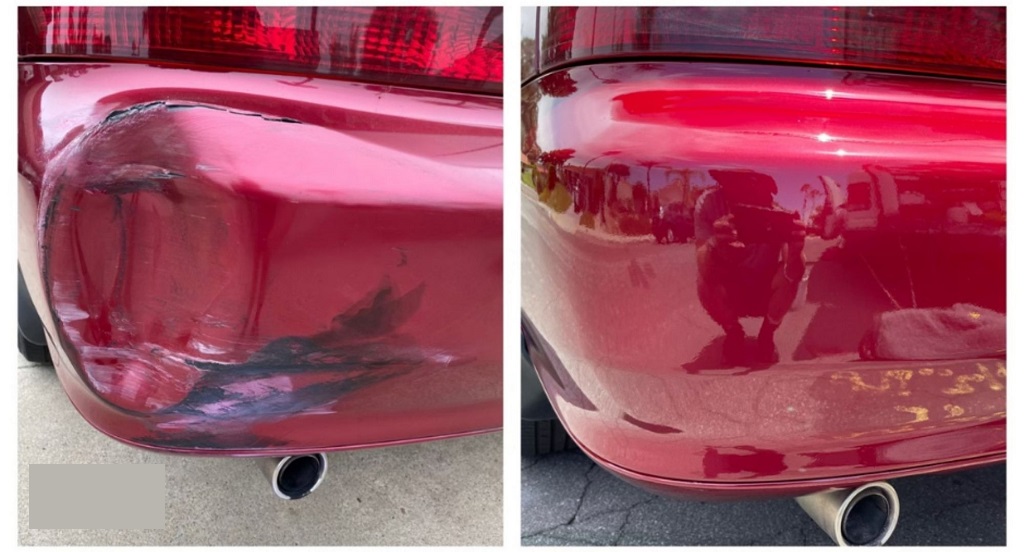
Your car’s bumper is more than just a cosmetic feature. It’s the first line of defense against minor collisions, protecting your vehicle’s expensive components from damage. But even with careful driving, bumpers can get scratched, dented, or even cracked. When that happens, you’ll need to consider bumper repair.
This comprehensive guide will walk you through the factors that influence bumper repair costs, the pros and cons of repairing versus replacing, and provide answers to frequently asked questions. We’ll also offer insights into real-world experiences with bumper repair, helping you make informed decisions about your vehicle.
Factors Influencing Bumper Repair Costs
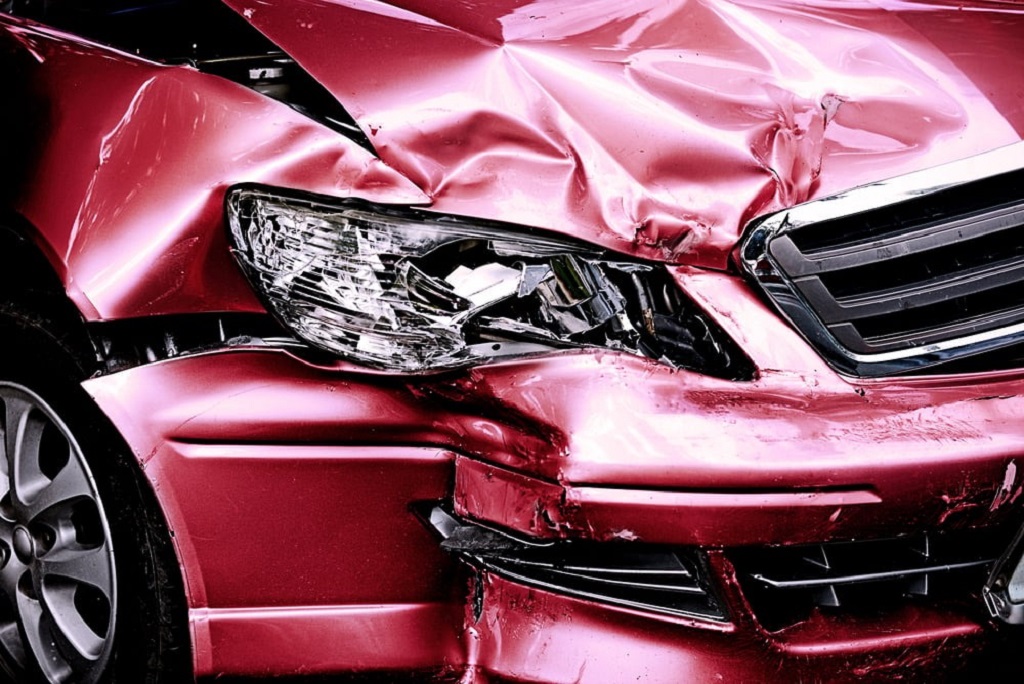
Bumper repair costs can vary significantly depending on several factors. Understanding these factors can help you estimate the potential expense 1 and prepare for the repair process.
- Extent of Damage:
This is the most crucial factor determining the repair cost. A minor scratch or scuff will be much cheaper to fix than a deep dent or crack. In some cases, the damage might be so extensive that replacement becomes the only viable option.
- Minor Scratches and Scuffs: These can often be repaired with simple techniques like buffing, sanding, and touch-up paint. Expect to pay anywhere from $50 to $200 for these minor repairs.
- Dents: Repairing dents involves techniques like heat application, body filler, and repainting. The cost can range from $150 to $500, depending on the dent’s size and depth.
- Cracks: Cracks are more complex to repair and often require specialized techniques like plastic welding. The cost can vary significantly based on the crack’s severity, ranging from $200 to $1000.
- Bumper Material:
Most modern bumpers are made from plastic, but some older vehicles might have metal bumpers. Plastic bumpers are generally easier and cheaper to repair than metal ones.
- Plastic Bumpers: These are flexible and can often be repaired without requiring replacement. Techniques like heat application and plastic welding can effectively address damage to plastic bumpers.
- Metal Bumpers: Metal bumpers are more rigid and prone to dents. Repairing them often involves techniques like hammering, body filler, and sanding, which can be more labor-intensive and expensive.
- Vehicle Make and Model:
The make and model of your vehicle can also influence the repair cost. Luxury or high-performance vehicles often have more complex bumper designs and use specialized materials, which can drive up the repair cost.
- Common Vehicles: Repairing bumpers on popular, mass-market vehicles is generally less expensive due to the availability of parts and expertise.
- Luxury or Specialty Vehicles: These vehicles often require specialized parts and expertise, which can increase the repair cost.
- Labor Costs:
Labor costs can vary significantly depending on the location and the expertise of the repair shop. Experienced technicians with specialized skills might charge higher labor rates.
- Independent Repair Shops: These shops often offer more competitive labor rates compared to dealerships.
- Dealerships: Dealerships might have higher labor rates but offer the advantage of using original equipment manufacturer (OEM) parts and specialized expertise for your vehicle’s make and model.
- Paint Matching:
Matching the repaired area to the original paint color is crucial for a seamless finish. This process can add to the overall cost, especially if your vehicle has a unique or custom paint color.
- Standard Colors: Matching common colors is generally less expensive.
- Custom or Unique Colors: These colors might require specialized paint mixing and matching techniques, which can increase the cost.
- Additional Repairs:
Sometimes, bumper damage might be accompanied by other repairs, such as fixing underlying components, replacing lights, or repairing sensors. These additional repairs will add to the overall cost.
Pros and Cons of Bumper Repair
Pros:
- Cost-Effective: Repairing a bumper is often significantly cheaper than replacing it, especially for minor damage.
- Preserves Original Parts: Repairing allows you to retain your vehicle’s original parts, which can be beneficial for maintaining its value and originality.
- Environmentally Friendly: Repairing reduces waste and minimizes the environmental impact compared to replacing the entire bumper.
- Faster Turnaround: Bumper repairs can often be completed within a day or two, depending on the extent of the damage.
Cons:
- May Not Be Suitable for Extensive Damage: For severe damage, such as large cracks or significant deformation, repair might not be possible or cost-effective.
- Potential for Imperfections: Even with skilled technicians, repaired areas might not be completely invisible, especially for complex damage or challenging color matching.
- May Affect Resale Value: While repairing is generally preferable, extensive repairs can sometimes affect the resale value of your vehicle compared to having a pristine original bumper.
Bumper Repair vs. Bumper Replacement
The decision to repair or replace your bumper depends on several factors, including the extent of the damage, the cost of repair versus replacement, and your personal preferences.
When to Repair:
- Minor damage: Scratches, scuffs, and small dents are usually good candidates for repair.
- Cost-effectiveness: If the repair cost is significantly lower than replacement, repairing is often the preferred option.
- Preserving originality: If you want to maintain your vehicle’s original parts, repairing is a good choice.
When to Replace:
- Extensive damage: Large cracks, severe deformation, or damage to the bumper’s structural integrity might necessitate replacement.
- Cost comparison: If the repair cost is close to or exceeds the replacement cost, replacement might be more sensible.
- Improved aesthetics: If you want a flawless finish and the repaired area might be noticeable, replacement can provide a better outcome.
Reviews and Real-World Experiences
Many online forums and review platforms feature discussions and experiences related to bumper repair. These resources can provide valuable insights into the process, costs, and outcomes.
Positive Reviews:
- Many people report successful bumper repairs with excellent results, especially for minor damage.
- Some highlight the cost-effectiveness of repairing compared to replacing.
- Others appreciate the quick turnaround time and the ability to retain their vehicle’s original parts.
Read More Also: Do Dashcams Work When Your Car is Off? Unraveling the Mystery of Parking Mode
Negative Reviews:
- Some individuals express dissatisfaction with noticeable imperfections after repair, especially for complex damage or challenging color matching.
- Others report instances where the repair cost was unexpectedly high or the repair failed to last.
- Some caution against choosing the cheapest option, as it might lead to subpar results.
Tips from Reviews:
- Research and choose reputable repair shops with experienced technicians.
- Get multiple quotes and compare prices before making a decision.
- Ask about the repair process, materials used, and warranty offered.
- Clearly communicate your expectations and concerns to the repair shop.
Read More Also: Is Your Car’s Brain Misfiring? How to Check Your Ignition Control Module
FAQs about Bumper Repair
Q: How long does bumper repair take?
A: The repair time depends on the extent of the damage. Minor repairs can often be completed within a few hours, while more extensive repairs might take a day or two.
Q: Will the repaired area be noticeable?
A: Skilled technicians can achieve excellent results, but some imperfections might be visible depending on the damage’s complexity and the color matching process.
Q: Does bumper repair affect the vehicle’s resale value?
A: Minor repairs generally have minimal impact on resale value. However, extensive repairs or noticeable imperfections can potentially affect the value.
Q: Is it better to repair or replace a damaged bumper?
A: The decision depends on the extent of the damage, the cost comparison, and your personal preferences. Consider the factors discussed earlier to make an informed choice.
Q: How can I find a reputable bumper repair shop?
A: Seek recommendations from friends, family, or online reviews. Look for shops with experienced technicians, positive customer feedback, and clear pricing policies.
Q: Does insurance cover bumper repair?
A: Insurance coverage for bumper repair depends on your policy and the circumstances of the damage. Contact your insurance provider for details.
Conclusion
Bumper repair can be a cost-effective way to restore your vehicle’s appearance and functionality after minor damage. By understanding the factors that influence costs, the pros and cons of repairing versus replacing, and real-world experiences, you can make informed decisions about your bumper repair needs. Remember to research and choose reputable repair shops, communicate your expectations clearly, and consider your budget and priorities when making your decision.
