
Your vehicle depends on proper cooling to prevent overheating and expensive engine damage. According to automotive industry reports, overheating contributes to a significant percentage of roadside breakdowns across the USA each year. Furthermore, coolant helps regulate engine temperature during both hot summers and cold winters. Understanding how to put coolant in car systems correctly can improve reliability and extend engine life. This guide explains every step in a simple way while helping drivers avoid common mistakes.
Why Coolant Matters For Your Vehicle
Coolant absorbs heat from the engine and transfers it through the radiator. As a result, the engine operates within a safe temperature range during daily driving.
Proper coolant levels also protect internal components from corrosion and freezing. Additionally, regular maintenance supports overall vehicle efficiency and complements practices discussed in improve fuel efficiency car battery maintenance resources.
Without sufficient coolant, temperatures rise quickly under heavy loads. Consequently, drivers may face costly repairs that could have been avoided.
Signs Your Car Needs More Coolant
Several warning signs indicate that coolant levels may be low. Therefore, recognizing these symptoms early can prevent major mechanical problems.
- Engine temperature gauge reads higher than normal
- Dashboard coolant warning light appears
- Sweet smell near the engine compartment
- Visible coolant puddles under the vehicle
- Heater performance becomes weak during cold weather
If any of these signs appear, inspect the coolant reservoir promptly. However, always allow the engine to cool completely before opening any cooling system component.
How To Put Coolant In Car Safely
Learning how to put coolant in car systems starts with safety. First, park on a level surface and turn off the engine completely.
Wait at least thirty minutes after driving. Meanwhile, gather the correct coolant type recommended by the vehicle manufacturer.
Clean surrounding areas before opening the reservoir cap. Likewise, many vehicle owners use tips from choose best shop vacuum car detailing home guides to keep engine bays cleaner.
Step 1: Locate The Coolant Reservoir
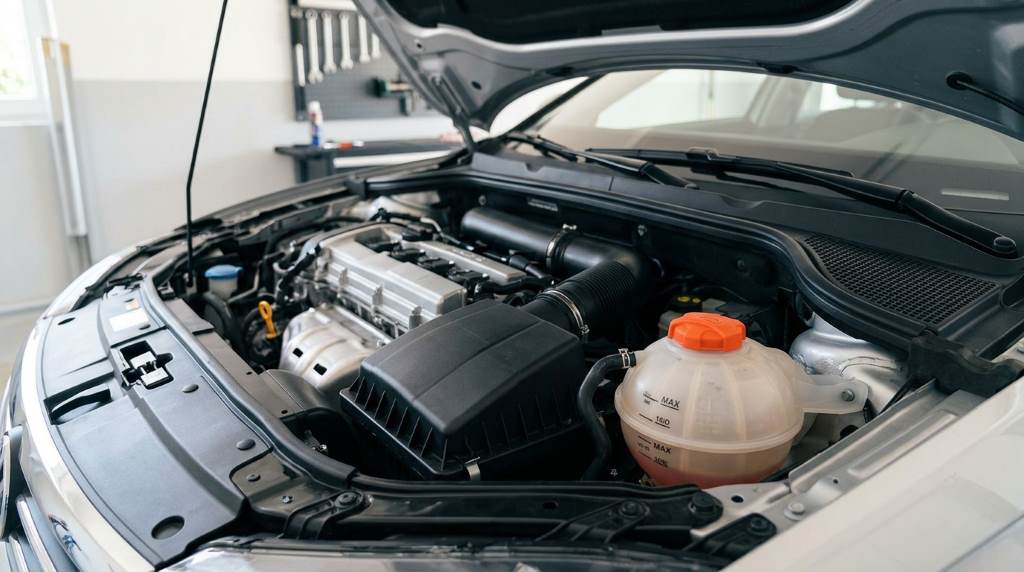
Open the hood and find the coolant reservoir. Usually, it is a translucent plastic container marked with minimum and maximum lines.
The reservoir often sits near the radiator. Nevertheless, vehicle designs vary, so consult the owner’s manual if necessary.
Step 2: Check Current Coolant Level
Look at the level markings on the side of the reservoir. Then compare the coolant level against the recommended range.
If the fluid sits below the minimum mark, additional coolant is needed. Otherwise, no topping off may be required.
Step 3: Add The Correct Coolant
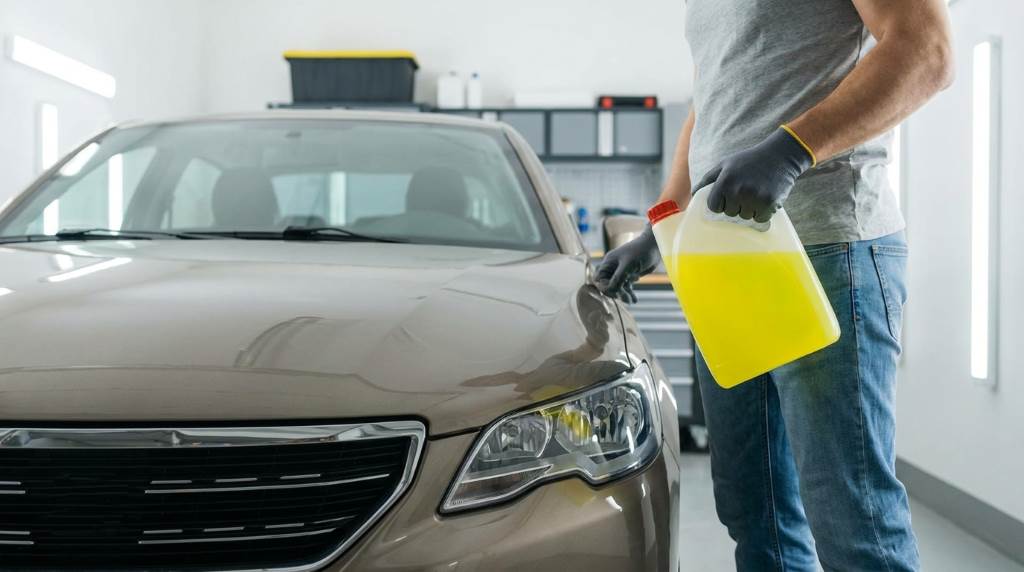
Remove the reservoir cap slowly and carefully. Next, pour coolant gradually into the container using a funnel.
Stop when the fluid reaches the maximum line. Afterward, secure the cap tightly before closing the hood.
Step 4: Start The Vehicle
Run the engine for several minutes after filling. Consequently, coolant circulates through the system and stabilizes levels.
Check the reservoir again after the engine cools. If necessary, add a small amount to reach the proper level.
Choosing The Right Coolant For Your Vehicle
Not every coolant works with every vehicle. Therefore, using the manufacturer recommended formula remains extremely important.
Different coolant colors may represent different chemical formulations. However, color alone should never determine compatibility.
Consult the owner’s manual before purchasing coolant products. Additionally, maintaining related systems aligns with advice from suspension steering repairs guide maintenance resources.
- Pre mixed coolant requires no dilution
- Concentrated coolant needs distilled water mixing
- Manufacturer approved products offer best protection
- Matching specifications prevents cooling system damage
Common Mistakes To Avoid
Many drivers accidentally damage cooling systems through simple errors. Fortunately, these mistakes are easy to avoid.
Never open a radiator cap while the engine remains hot. Otherwise, pressurized coolant can cause serious burns.
Avoid mixing incompatible coolant types whenever possible. Likewise, never substitute plain water for long term use.
Engine protection becomes especially important in harsh climates. Therefore, drivers can benefit from information about prevent engine damage chicago winter conditions and seasonal maintenance.
How Often Should You Check Coolant?
Most experts recommend checking coolant levels once each month. Additionally, inspect levels before long road trips.
Regular inspections help identify leaks before they become severe. Consequently, drivers avoid breakdowns and expensive repairs.
Vehicle manufacturers may specify different maintenance intervals. Therefore, always follow the schedule listed in the owner’s manual.
When A Coolant Refill Is Not Enough
Sometimes coolant levels continue dropping after refilling. In such cases, an underlying problem may exist.
Common causes include leaking hoses, damaged radiators, or faulty water pumps. Therefore, professional diagnosis becomes necessary.
If overheating continues despite proper coolant levels, seek service immediately. Delaying repairs can lead to major engine failure.
Benefits Of Learning How To Put Coolant In Car Systems
Knowing how to put coolant in car systems provides several practical advantages. First, it helps reduce unexpected roadside emergencies.
Proper coolant maintenance also improves engine longevity. Furthermore, cooling system components often last longer with consistent care.
Drivers who understand how to put coolant in car systems can respond quickly to maintenance needs. As a result, they save time and money over the vehicle’s lifespan.
Conclusion
Understanding how to put coolant in car systems is an essential skill for every driver in the USA. By checking levels regularly, using the correct coolant, and following safe procedures, you can protect your engine from overheating and unnecessary repairs.
Take a few minutes each month to inspect your cooling system. Start applying these simple maintenance steps today and keep your vehicle running smoothly for years.
Frequently Asked Questions
Can I add coolant without flushing the system?
Yes, you can top off coolant if the existing coolant remains clean and compatible.
Should I add coolant when the engine is hot?
No, always wait until the engine cools completely before adding coolant.
Can I use water instead of coolant?
Water can help temporarily but should not replace coolant permanently.
How much coolant should I add?
Add coolant until it reaches the maximum line on the reservoir.
What happens if coolant is too low?
Low coolant can cause overheating and serious engine damage.
