
Why Your Steering Wheel Shakes at Moderate Speeds
Driving should feel smooth and controlled. However, when your steering wheel starts to shake between 45 and 65 miles per hour, something is clearly wrong. This vibration is one of the most common complaints drivers bring to auto shops. The good news is that most causes are fixable without replacing your entire front end.
Understanding what triggers this shake helps you act quickly. Therefore, this guide walks you through the most likely causes, how to diagnose them, and what repairs to consider. Whether you plan to fix it yourself or hand it off to a mechanic, knowing the basics puts you in a better position.
Common Causes of Steering Wheel Vibration
Several parts can cause your wheel to shake at moderate speeds. Each has its own symptoms and solutions. Let us go through the most common ones.
Unbalanced or Worn Tires
Tires are the first place to look. When a tire loses a wheel weight or wears unevenly, it creates an imbalance. This imbalance causes a rhythmic vibration that you feel through the steering column at certain speeds.
Tire-related shaking usually starts around 45 mph and smooths out above 70 mph. Additionally, if your tires have flat spots from sitting still for long periods, you may feel a thudding sensation. The fix is simple: have your tires balanced and rotated. If the tread is uneven or too worn, replacing them is the better choice.
Wheel Alignment Problems
Misaligned wheels force your tires to point in slightly different directions. As a result, they fight each other as the car moves forward. This creates drag and vibration that travels up through the steering wheel.
Alignment issues often develop gradually. You may notice your car pulling to one side before the shaking starts. However, sometimes the vibration appears without any pulling. A proper alignment check takes about 30 minutes and costs very little compared to the tire wear it prevents.
Worn or Loose Wheel Bearings
Wheel bearings allow your wheels to spin smoothly. When they wear out, you may hear a humming or growling sound in addition to feeling a shake. The vibration from a bad wheel bearing tends to change when you steer slightly left or right at highway speeds.
This is an important issue to fix promptly. A failing bearing can cause a wheel to wobble dangerously. Therefore, do not delay if you suspect this is your problem. Replacing a wheel bearing typically takes one to two hours for a skilled mechanic.
Damaged or Bent Wheels
A pothole or curb impact can bend a wheel, even slightly. A bent rim creates an imbalance that no amount of balancing can fully correct. Therefore, inspect your wheels visually for any signs of dents or warping.
Run your hand along the inner edge of each rim carefully. You can also watch the wheel spin while the car is elevated on a jack. A bent wheel will visibly wobble. Aluminum wheels are especially prone to bending. Replacement is usually the only reliable fix.
Steering System Components That Cause Shaking
If your tires and wheels check out fine, the problem may lie deeper in the steering and suspension systems. These parts wear out over time, and their failure often shows up as vibration first.
Tie Rod Ends
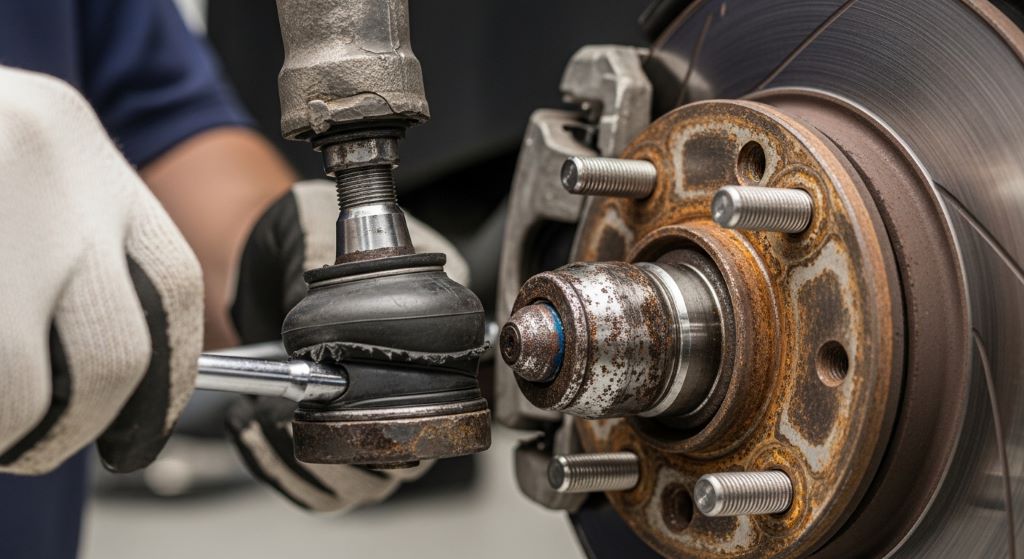
Tie rods connect your steering rack to the wheel hubs. They transmit the motion from your steering wheel out to the tires. When a tie rod end wears out, it develops play or looseness. This looseness allows the wheel to move slightly on its own, creating a shimmy or shake.
A worn tie rod end often makes a clunking noise when you turn the wheel. You may also notice uneven tire wear on the inside or outside edge of the tire. Replacing tie rod ends is one of the most common suspension and steering repairs performed at auto shops. After replacement, an alignment check is always necessary.
Ball Joints
Ball joints act as pivot points between the wheel assembly and the suspension arms. They handle a tremendous amount of stress during every turn and road impact. Over time, they wear and develop looseness, which leads to vibration.
A quick test for a bad ball joint involves jacking up the wheel and grabbing the tire at the top and bottom. If there is any rocking motion, the ball joint likely needs replacement. Driving with a severely worn ball joint is dangerous. The joint can separate, causing you to lose control of the steering entirely.
Control Arm Bushings
Control arms connect your wheel assembly to the car’s frame. Each arm uses rubber bushings at its attachment points to absorb vibration and allow movement. When these bushings crack or deteriorate, the connection becomes loose and sloppy.
Worn bushings make clunking sounds over bumps. Additionally, they can cause the car to pull to one side and make the steering feel vague or imprecise. Replacing bushings requires pressing the old ones out and pressing new ones in, which usually needs a hydraulic press. Therefore, this is often a shop job.
Steering Rack Issues
The steering rack is the central component of your steering system. It translates the turning of your steering wheel into left and right movement of the tires. A worn or leaking rack can create looseness and vibration, especially noticeable when making small corrections at speed.
Signs of a failing rack include a loose or wandering steering feel, leaking power steering fluid under the car, and a clunking noise when turning. Rack replacement is one of the more expensive suspension and steering repairs, but it restores precise, confident control.
How to Diagnose the Source of the Shake
Pinpointing the exact cause saves you time and money. Follow these steps to narrow down the problem before visiting a shop.
Step one: Note the exact speed range where the shake begins and ends. Tire imbalance tends to shake within a specific range. Structural issues like bent wheels or bad bearings often shake continuously at speed.
Step two: Pay attention to whether the shake is worse when braking. If it is, warped brake rotors may be the cause rather than the steering or suspension.
Step three: Listen for any sounds. Clunking suggests loose joints or worn bushings. Humming or grinding points to wheel bearings.
Step four: Check your tire pressure and inspect the tread. Low pressure alone can cause vibration, and it is the easiest fix of all.
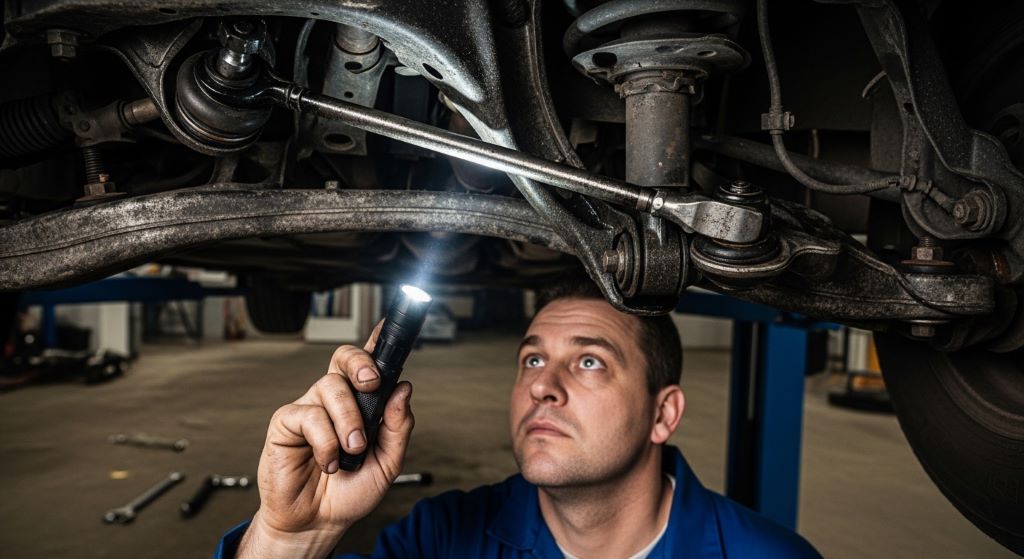
Step five: Have a trusted shop perform a front-end inspection. They can put the car on a lift, check every joint and bushing for play, and identify worn parts quickly.
DIY vs. Professional Repairs
Some repairs are well within reach for a handy car owner. Tire balancing and rotation, for example, require shop equipment but are fast and inexpensive. Checking tire pressure and visually inspecting wheels and tires can be done at home with no tools.
However, replacing ball joints, tie rod ends, and control arm bushings involves safety-critical components. A mistake in these areas can lead to loss of steering control. Therefore, these jobs are best left to a qualified mechanic unless you have solid experience and the right equipment.
Additionally, any repair that affects the alignment of your wheels requires a proper alignment check afterward. Skipping this step leads to fast and uneven tire wear, which costs more in the long run.
Estimated Repair Costs to Expect
Costs vary by vehicle and region, but here are reasonable estimates to help you plan:
- Tire balancing: $15 to $50 for all four tires
- Wheel alignment: $75 to $150
- Wheel bearing replacement: $150 to $400 per side
- Tie rod end replacement: $100 to $300 per side (including alignment)
- Ball joint replacement: $150 to $400 per joint
- Control arm bushing replacement: $200 to $500 per arm
- Steering rack replacement: $500 to $1,500 depending on the vehicle
Getting multiple quotes from reputable shops is always wise. Furthermore, ask for a written estimate before any work begins.
When to Act Immediately
Some levels of vibration signal an urgent safety concern. Do not wait if you notice any of the following:
- The shake suddenly gets much worse at normal driving speeds
- You hear a loud clunking or grinding noise along with the vibration
- The steering wheel pulls sharply to one side without input
- You see visible wobble in a wheel when driving slowly
- Your vehicle pulls hard to one side when braking
These signs suggest a component may be close to failure. Therefore, reduce your speed and have the car inspected as soon as possible.
Preventive Maintenance Tips
Keeping your steering and suspension in good shape is easier than fixing problems after they appear. Follow these simple habits:
- Rotate and balance your tires every 5,000 to 7,500 miles
- Check tire pressure at least once a month
- Get a wheel alignment check once a year or after hitting a large pothole
- Have your front-end components inspected during every oil change
- Replace worn shocks and struts before they damage other parts
Consistent maintenance extends the life of every part in your steering and suspension system. Additionally, it keeps your car safer and more comfortable to drive every day.
Conclusion
A shaking steering wheel at moderate speeds is almost always a sign that something needs attention. The most common causes include unbalanced tires, alignment issues, worn wheel bearings, bad tie rod ends, and damaged ball joints. Each of these problems has a clear solution, and most are straightforward to fix when caught early.
Therefore, pay attention to when and how the shake occurs. Listen for unusual sounds, check your tires first, and get a professional inspection if the cause is not obvious. Addressing the problem early protects your tires, improves your fuel efficiency, and most importantly, keeps you and others on the road safe. Smooth steering is not just a comfort issue. It is a safety one.
Frequently Asked Questions
Question 1: Why does my steering wheel only shake at certain speeds and then stop?
This pattern is the classic sign of a tire balance issue. An imbalance creates a resonance at specific speeds. Above or below that range, the vibration often fades. Balancing your tires usually resolves this immediately.
Question 2: Can bad shocks or struts cause steering wheel shake?
Yes, they can. Worn shocks and struts allow excessive wheel movement, which makes other worn parts feel worse. However, they are rarely the primary cause of steering wheel shake on their own.
Question 3: Is it safe to drive with a shaking steering wheel?
It depends on the cause. A minor imbalance is less urgent, but you should still fix it soon. If the shake is accompanied by noise, pulling, or sudden changes in handling, stop driving and get the car checked right away.
Question 4: How often should I get a wheel alignment?
Most manufacturers recommend checking alignment once a year or whenever you notice pulling, uneven tire wear, or after a significant impact like hitting a pothole. It is a quick and inexpensive check that prevents larger problems.
Question 5: Can I fix a steering wheel shake myself at home?
Some steps, like checking tire pressure or visually inspecting wheels for damage, are easy to do at home. However, most mechanical repairs on the steering and suspension system require special tools and safety knowledge. Suspension and steering repairs involving joints, arms, or the rack should be done by a professional.
Related Topics:
