
Introduction
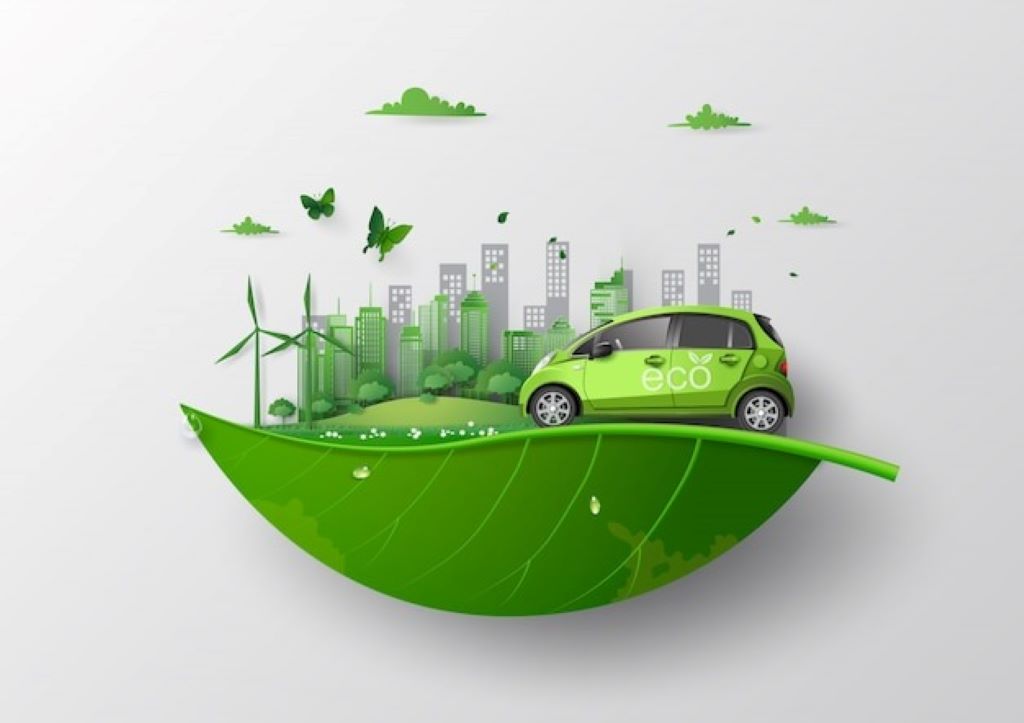
The transition to sustainable transportation is no longer a distant vision; it’s a present necessity. While urban centers often lead the charge with electric vehicle (EV) adoption, rural areas face unique challenges and opportunities. “Green Vehicle Credit Incentives for Rural Areas” are pivotal in bridging this gap. This article delves into the intricacies of these incentives, exploring their impact, challenges, and future potential. We’ll examine the benefits, dissect the drawbacks, and provide a comprehensive guide to understanding and leveraging these crucial programs.
The Urgent Need for Rural Green Vehicle Adoption
Rural communities often rely heavily on personal vehicles due to limited public transportation. This reliance typically translates to higher fuel consumption and carbon emissions. Addressing this requires tailored solutions that consider the specific needs of rural residents.
- Distance and Range Anxiety: Rural commutes are often longer, making range anxiety a significant barrier to EV adoption. Incentives must address this by supporting charging infrastructure development and offering credits that offset the higher cost of long-range EVs.
- Economic Disparities: Rural areas often experience economic disparities, making the upfront cost of EVs prohibitive. Incentives can level the playing field, making sustainable transportation accessible to a broader population.
- Environmental Impact: Rural areas are vital for carbon sequestration and ecosystem preservation. Reducing emissions in these regions is crucial for mitigating climate change.
Understanding Green Vehicle Credit Incentives
These incentives come in various forms, including tax credits, rebates, and point-of-sale discounts. They aim to reduce the financial burden of purchasing or leasing green vehicles, such as EVs, plug-in hybrids, and fuel cell vehicles.
- Federal Tax Credits: The U.S. federal government offers tax credits for eligible EVs, which can significantly reduce the purchase price. The Inflation Reduction Act of 2022 significantly altered these credits, impacting which vehicles qualify and how.
- Logic: Tax credits directly lower the consumer’s tax burden, making green vehicles more affordable.
- Opinion: Critics argue the complexities of the new tax credits are confusing and exclude many vehicles, hindering adoption.
- State and Local Incentives: Many states and local governments offer additional incentives, such as rebates, reduced registration fees, and access to HOV lanes.
- Logic: These incentives are tailored to local needs and priorities, promoting regional adoption.
- Opinion: The availability and value of these incentives vary widely, creating an uneven playing field.
- Utility Company Programs: Some utility companies offer rebates or discounted charging rates for EV owners.
- Logic: This aligns with utility companies’ interest in managing grid load and promoting off-peak charging.
- Opinion: The effectiveness of these programs depends on the utility company’s commitment and the availability of smart charging infrastructure.
The Power of Tailored Incentives for Rural Areas
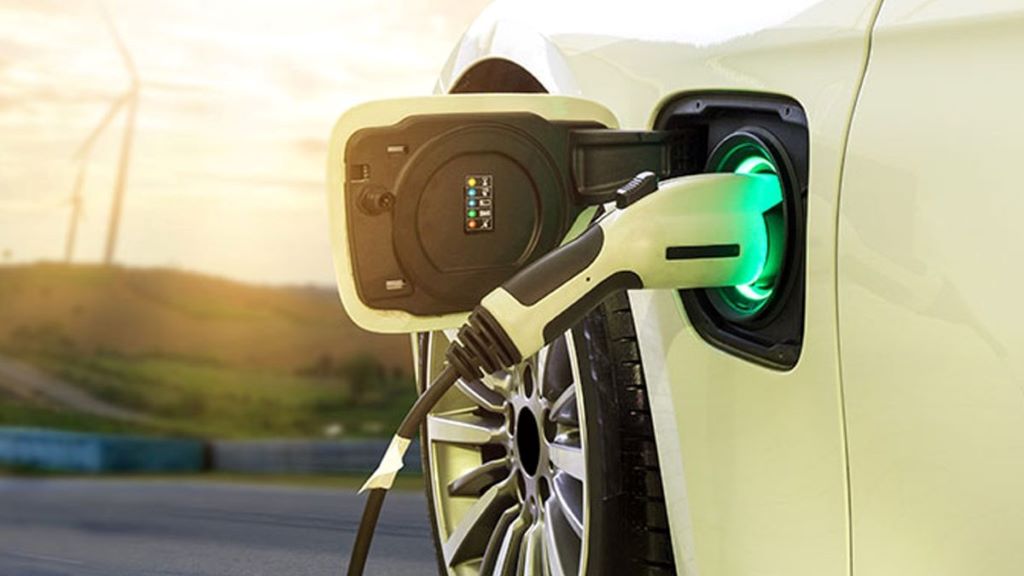
Generic incentives may not effectively address the unique challenges faced by rural communities. Tailored programs are essential for driving meaningful change.
- Increased Credit Amounts for Long-Range Vehicles: Recognizing the need for extended range, offering larger credits for vehicles with longer battery life can mitigate range anxiety.
- Logic: This directly addresses a major barrier to rural EV adoption.
- Charging Infrastructure Development Incentives: Providing grants or tax credits for installing charging stations in rural areas can expand access to charging and reduce range anxiety.
- Logic: Infrastructure is critical for widespread EV adoption.
- Incentives for Used EVs: Making used EVs more affordable can expand access to sustainable transportation for lower-income rural residents.
- Logic: This addresses economic disparities and promotes circular economy principles.
- Community-Based Programs: Partnering with local organizations and community leaders can raise awareness and provide personalized support for EV adoption.
- Logic: Local trust and engagement are crucial for successful program implementation.
Pros and Cons of Green Vehicle Credit Incentives
Pros:
- Increased EV Adoption: Incentives lower the upfront cost, making EVs more accessible.
- Reduced Emissions: Promoting green vehicle adoption helps reduce greenhouse gas emissions.
- Economic Benefits: Incentives can stimulate local economies by creating jobs in the EV industry.
- Improved Air Quality: Decreased reliance on gasoline powered vehicles improves local air quality.
Cons:
- Costly Implementation: Incentive programs can be expensive to implement and maintain.
- Potential for Fraud: Ensuring the integrity of incentive programs requires robust oversight.
- Unequal Access: Some incentives may disproportionately benefit higher-income individuals.
- Grid Strain: Increased EV adoption can strain the electrical grid, requiring infrastructure upgrades.
Real Solutions and Insights
- Strategic Infrastructure Investment: Prioritize charging infrastructure development in key rural locations, such as community centers, retail areas, and along major travel routes.
- Educational Outreach: Conduct targeted outreach campaigns to educate rural residents about the benefits of EVs and available incentives.
- Public-Private Partnerships: Foster collaborations between government agencies, utility companies, and private businesses to leverage resources and expertise.
- Data-Driven Decision Making: Collect and analyze data on EV adoption, charging infrastructure usage, and incentive program effectiveness to inform policy decisions.
- Mobile Charging Solutions: Investigate mobile charging solutions for very remote areas.
FAQs and Answers
- Q: Are there federal tax credits for used EVs?
- A: Yes, the Inflation Reduction Act introduced tax credits for eligible used EVs.
- Q: How do I find state and local incentives?
- A: Search your state’s Department of Energy website or use online resources like the Alternative Fuels Data Center.
- Q: What is range anxiety?
- A: Range anxiety is the fear of running out of battery charge before reaching a charging station.
- Q: Can I get a tax credit if I lease an EV?
- A: It depends on the specific lease agreement and the vehicle’s eligibility.
- Q: How can rural areas improve charging infrastructure?
- A: By leveraging government grants, utility company programs, and private investments.
- Q: What are the benefits of community-based EV programs?
- A: They build trust, provide personalized support, and raise awareness.
- Q: Do hybrid vehicles qualify for incentives?
- A: Some plug-in hybrids may qualify, depending on their battery capacity and other factors.
- Q: How can I maximize my EV tax credit?
- A: Consult with a tax professional to ensure you meet all eligibility requirements.
- Q: How can I reduce the cost of installing a home charging station?
- A: Check for utility company rebates and state incentives.
- Q: What is the future of green vehicle incentives in rural areas?
- A: Expect increased focus on infrastructure development, used EV incentives, and community-based programs.
Conclusion
“Green Vehicle Credit Incentives for Rural Areas” are essential for driving sustainable mobility and fostering economic development. By addressing the unique challenges faced by rural communities, these incentives can unlock the potential of green vehicles and create a cleaner, more equitable future. The need for smart, responsive and evolving policy is very important. With the right investment and support, rural areas can become leaders in the transition to sustainable transportation.
References
- U.S. Department of Energy: Alternative Fuels Data Center
- Inflation Reduction Act of 2022
- Various State Department of transportation websites.
- Reports from organizations such as the Environmental Defense Fund.
- Articles from reputable sources like Reuters, and Bloomberg.
Read More:
Do Dashcams Work When Your Car is Off? Unraveling the Mystery of Parking Mode
Is Your Car’s Brain Misfiring? How to Check Your Ignition Control Module
