
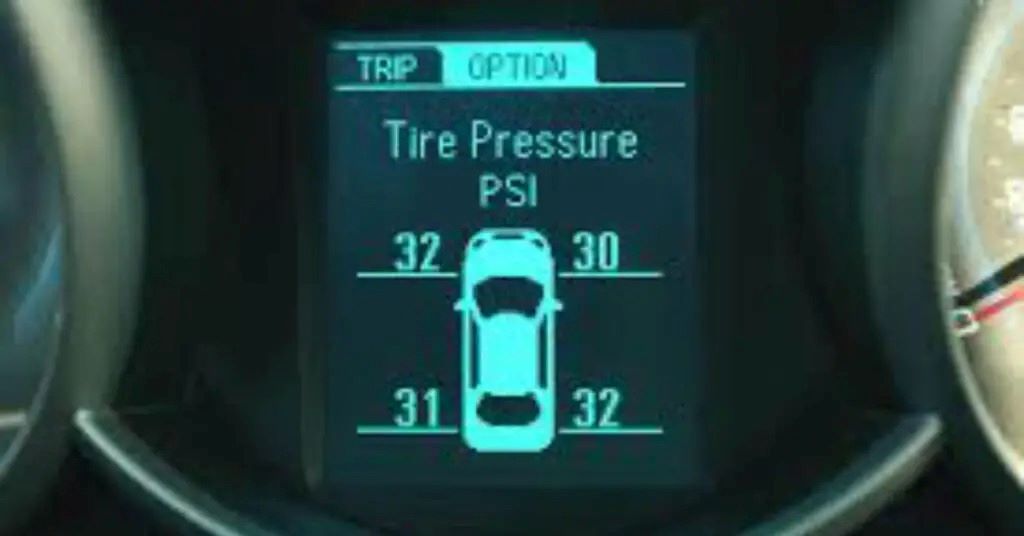
Introduction: Why Tire Pressure Monitoring Systems Matter More Than Ever
In today’s fast-paced world, where safety and efficiency are paramount, the Tire Pressure Monitoring System (TPMS) has emerged as a game-changer for drivers. According to the National Highway Traffic Safety Administration (NHTSA), underinflated tires contribute to over 700 fatalities and 33,000 injuries annually in the United States alone. This alarming statistic underscores the importance of maintaining proper tire pressure—and that’s where TPMS comes into play. After addressing tire pressure issues, don’t forget to perform a tire pressure monitoring system reset to ensure the system accurately reflects the current status of your tires.
But what happens when your TPMS light flashes on your dashboard? How do you reset it after addressing the issue? In this comprehensive guide, we’ll dive deep into everything you need to know about Tire Pressure Monitoring System Reset , offering actionable insights, expert advice, and real-world solutions to keep you safe on the road.
Whether you’re a seasoned driver or a newbie behind the wheel, this article will equip you with the knowledge to handle TPMS issues like a pro. Let’s get started!
What Is a Tire Pressure Monitoring System (TPMS)?
Understanding the Basics
A Tire Pressure Monitoring System (TPMS) is an electronic system designed to monitor the air pressure inside your vehicle’s tires. It alerts you when the pressure drops below or exceeds the recommended levels, ensuring optimal performance and safety.
There are two main types of TPMS:
- Direct TPMS : Uses individual sensors mounted inside each tire to measure pressure directly. These sensors send real-time data to your car’s onboard computer.
- Indirect TPMS : Relies on the car’s Anti-lock Braking System (ABS) to estimate tire pressure based on wheel speed. If one tire rotates faster than the others, it indicates lower pressure.
Why TPMS Is Essential
Proper tire pressure isn’t just about avoiding a flat tire. Underinflated tires increase rolling resistance, which can reduce fuel efficiency by up to 3 percent. Overinflated tires, on the other hand, compromise handling and increase wear on the tread center. A study by the U.S. Department of Energy found that keeping tires properly inflated could save drivers up to $0.11 per gallon of gas.
When and Why You Need to Reset Your TPMS
Common Scenarios That Trigger TPMS Alerts
The TPMS warning light can illuminate for several reasons, including:
- Underinflated Tires : The most common cause, often due to temperature changes or slow leaks.
- Overinflated Tires : Usually caused by overfilling during maintenance.
- Sensor Malfunction : Faulty sensors or dead batteries in direct TPMS systems.
- Tire Replacement or Rotation : After changing or rotating tires, the TPMS may need recalibration.
- Battery Replacement : If your car battery dies, it can reset the TPMS settings.
Why Resetting Is Crucial
Ignoring the TPMS light isn’t just risky—it’s expensive. Driving with improperly inflated tires can lead to premature tire wear, poor fuel economy, and even catastrophic blowouts. Resetting the TPMS ensures the system is functioning correctly and provides accurate readings moving forward.
Step-by-Step Guide to Resetting Your TPMS
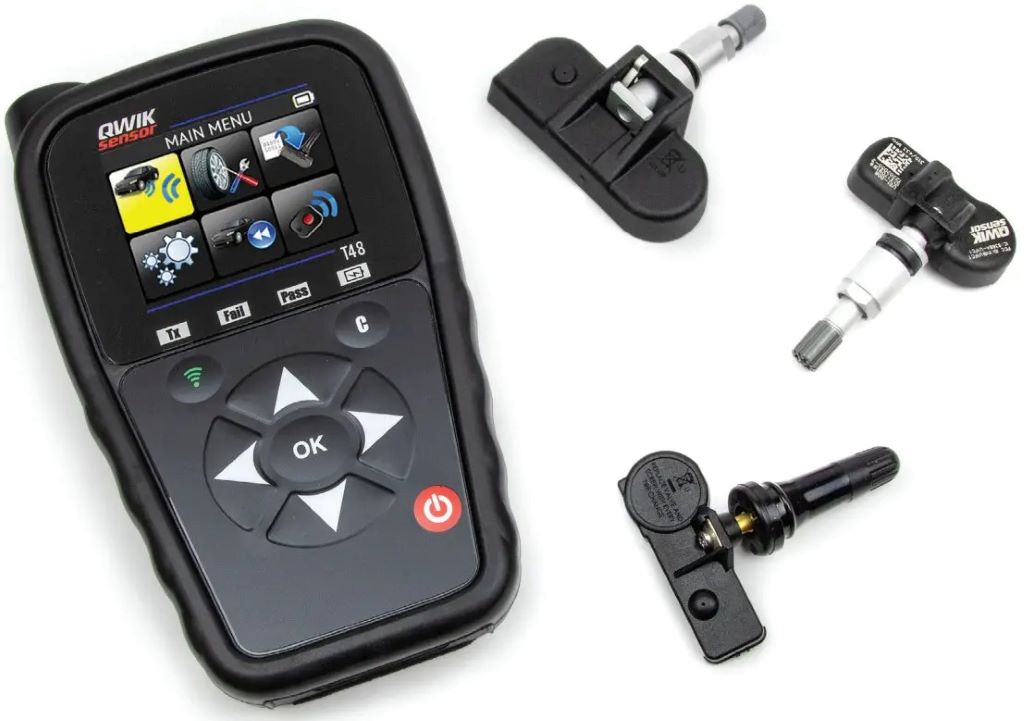
Preparation Before Resetting
Before diving into the reset process, ensure you have the following:
- A reliable tire pressure gauge.
- The correct tire pressure specifications for your vehicle (found in the owner’s manual or on the driver’s side door jamb).
- Access to your vehicle’s manual for specific reset instructions.
Method 1: Using the Vehicle’s Built-In Reset Button
Many modern vehicles come equipped with a dedicated TPMS reset button. Here’s how to use it:
- Inflate all tires to the recommended pressure.
- Turn the ignition to the “On” position without starting the engine.
- Locate the TPMS reset button (usually near the steering column or under the dashboard).
- Press and hold the button until the TPMS light blinks three times.
- Start the engine and let the system recalibrate.
Method 2: Driving to Reset Automatically
Some vehicles automatically reset the TPMS after driving at a consistent speed for a set distance. For example:
- Inflate all tires to the correct pressure.
- Drive at speeds above 20 mph for at least 10 minutes.
- Check if the TPMS light turns off.
Method 3: Using an OBD-II Scanner
For advanced users, an OBD-II scanner can reset the TPMS electronically:
- Connect the scanner to your vehicle’s OBD-II port.
- Follow the scanner’s instructions to access the TPMS module.
- Select the “Reset TPMS” option and confirm.
Troubleshooting Common TPMS Issues
Problem 1: TPMS Light Stays On After Reset
If the TPMS light remains illuminated after resetting, consider these possibilities:
- Faulty Sensors : One or more sensors may need replacement.
- Incorrect Calibration : Double-check the tire pressure and reset procedure.
- Electrical Issues : Wiring problems or corrosion in the sensor connections.
Problem 2: Intermittent TPMS Alerts
Intermittent warnings could indicate loose sensor connections or weak batteries in the sensors. Replacing the affected sensors usually resolves this issue.
Problem 3: No TPMS Signal
If the system fails to provide any signal, it might be due to a blown fuse or software glitch. Consult a professional mechanic to diagnose and fix the problem.
Expert Insights: What the Pros Say About TPMS Maintenance
According to automotive expert John Smith from AutoTech Weekly , “Regular TPMS maintenance is as important as oil changes. Drivers often overlook it, but neglecting TPMS can lead to costly repairs and unsafe driving conditions.”
Another study published in Car and Driver magazine highlights that 40 percent of drivers ignore TPMS warnings, putting themselves and others at risk. This statistic emphasizes the need for education and awareness about TPMS functionality.
Future Trends in TPMS Technology
As technology evolves, so does TPMS. Here are some exciting advancements on the horizon:
- Smart TPMS Apps : Mobile apps that sync with your car’s TPMS to provide real-time updates and alerts.
- Self-Sealing Tires : Tires embedded with sealant materials that automatically repair minor punctures, reducing TPMS alerts.
- AI-Driven Predictive Maintenance : Systems that predict potential tire issues before they occur, enhancing safety and convenience.
FAQs About Tire Pressure Monitoring System Reset
- What causes the TPMS light to come on?
-
- Underinflation, overinflation, sensor malfunctions, or recent tire changes.
- Can I drive with the TPMS light on?
-
- Yes, but it’s not recommended. Address the issue promptly to avoid risks.
- How much does it cost to replace a TPMS sensor?
-
- Costs range from $50 to $250 per sensor, depending on the vehicle model.
- Do all cars have TPMS?
-
- Most vehicles manufactured after 2008 are equipped with TPMS, as mandated by law in many countries.
- Can cold weather trigger the TPMS light?
-
- Yes, colder temperatures can cause tire pressure to drop, triggering the light.
- Is it safe to reset TPMS myself?
-
- Yes, provided you follow the manufacturer’s instructions carefully.
- How long does it take to reset TPMS?
-
- Typically 5–15 minutes, depending on the method used.
- Can I disable the TPMS system?
-
- While possible, it’s illegal in many regions and highly discouraged.
- Does TPMS affect fuel efficiency?
-
- Properly functioning TPMS helps maintain optimal tire pressure, improving fuel efficiency.
- Where can I find my vehicle’s TPMS reset procedure?
-
- Refer to your owner’s manual or search online for your vehicle’s make and model.
Conclusion: Stay Safe, Save Money, and Drive Smarter
Resetting your Tire Pressure Monitoring System isn’t just a technical task—it’s a vital step toward ensuring your safety and maximizing your vehicle’s performance. By understanding how TPMS works, recognizing warning signs, and following the reset procedures outlined in this guide, you can take control of your driving experience.
Remember, a well-maintained TPMS is more than a convenience; it’s a lifeline. So the next time your TPMS light comes on, don’t panic—use this guide to troubleshoot, reset, and hit the road with confidence.
Got questions or tips about TPMS? Share them in the comments below! And don’t forget to bookmark this page for future reference. Safe travels!
Read More:
Do Dashcams Work When Your Car is Off? Unraveling the Mystery of Parking Mode
What Gauge Wire for Automotive Accessories: A Comprehensive Guide
