
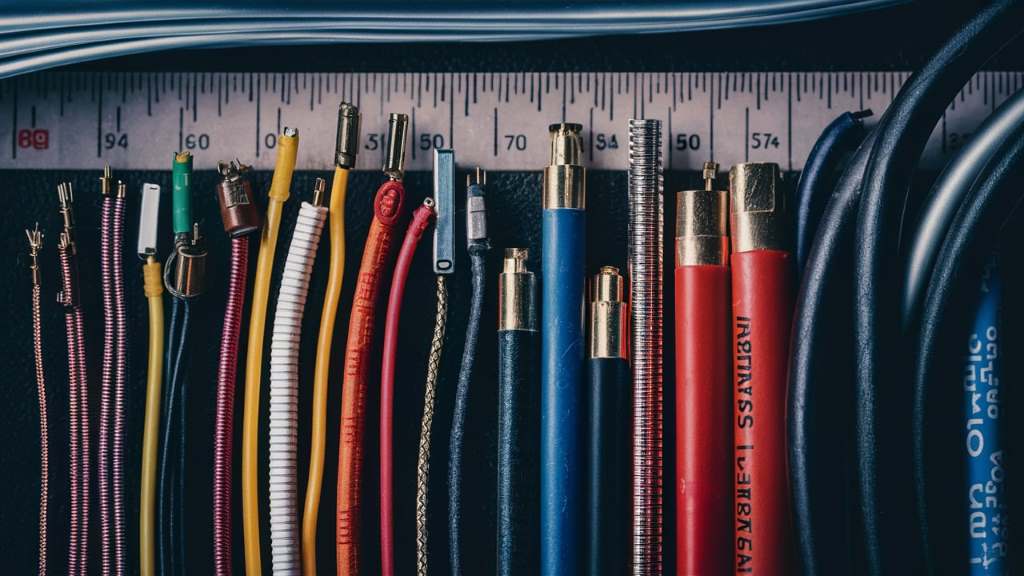
Hey there, fellow car enthusiasts! Ever wanted to add some cool accessories to your ride but felt lost in a jungle of wires and gauges? We’ve all been there. It can be confusing, right? Like trying to pick the right size shoes for a friend without knowing their shoe size. But don’t worry, I’m here to help you navigate this maze and choose the perfect gauge wire for your automotive accessories, ensuring everything, including how bars function automotive, works seamlessly together.
Before we dive in, let’s talk numbers. According to a study by the National Highway Traffic Safety Administration (NHTSA), electrical failures are a leading cause of car fires. Yikes! That’s why choosing the right wire gauge is crucial, not just for your accessory to work properly, but also for your safety.
Understanding Wire Gauge
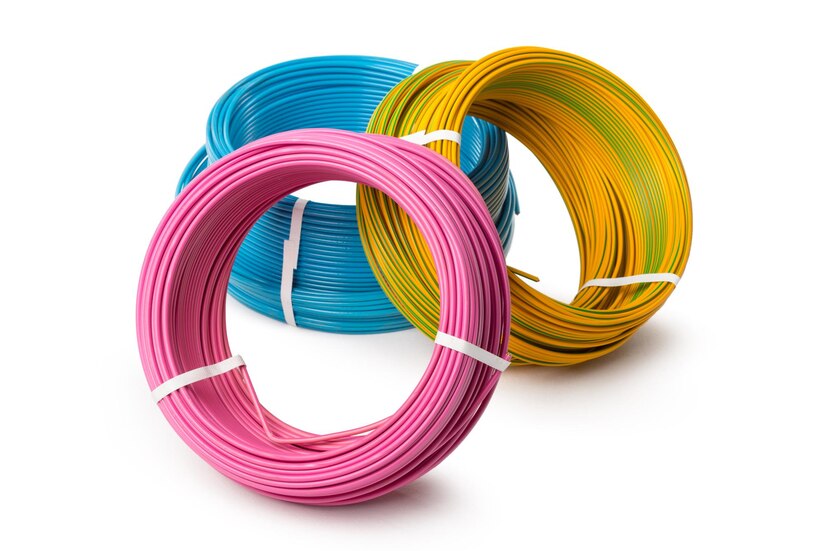
Think of wire gauge like the pipes in your house. A larger pipe allows more water to flow through, right? Similarly, a lower gauge wire has a larger diameter and can carry more electrical current.
Now, you might be wondering, “What is this ‘current’ you speak of?” Well, imagine current as the flow of electrons, like those tiny little guys running around in a wire, powering your accessories.
The AWG System
In the US, we use the American Wire Gauge (AWG) system to measure wire size. It’s a bit counterintuitive, but the smaller the AWG number, the thicker the wire. So, a 12 AWG wire is thicker than an 18 AWG wire. Think of it like golf scores – the lower the number, the better. This system is crucial for various applications, including automotive wiring, where brands like Car Pro offer products that rely on proper wire sizing for optimal performance.
Factors Affecting Wire Gauge Choice
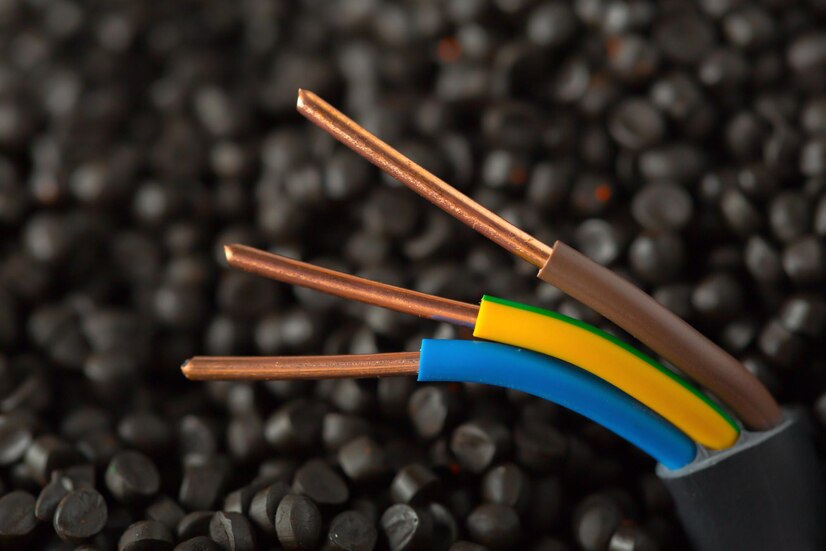
Choosing the right wire gauge isn’t just about picking a random number. It’s like baking a cake – you need the right ingredients in the right amounts. Here are the key factors to consider:
Current Draw (Amps)
This is the amount of current your accessory needs to function. It’s like how much fuel your car needs to drive a certain distance. You can usually find this information in your accessory’s manual or on a sticker attached to it.
Wire Length
The longer the wire, the more resistance it has. Imagine a long garden hose – the water pressure decreases as the hose gets longer, right? Similarly, a longer wire can cause a voltage drop, which means your accessory won’t get enough power.
Voltage
Most car electrical systems run on 12 volts. However, some accessories might require a different voltage. It’s like plugging a 220V appliance into a 110V outlet – it won’t work properly!
Operating Temperature
If your accessory generates heat or is located in a hot environment (like under the hood), you’ll need a wire with a higher temperature rating. Think of it like choosing the right clothes for the weather – you wouldn’t wear a thick sweater on a hot summer day, would you?
Common Automotive Accessories and Recommended Wire Gauges
Let’s look at some common accessories and the typical wire gauges used:
Headlights: 12-14 AWG
Fog lights: 14-16 AWG
Stereo system: 12-16 AWG (depending on the power output)
Amplifier: 8-10 AWG (for high-power amplifiers)
Electric fan: 10-12 AWG
Power windows: 12-14 AWG
LED lights: 18-22 AWG
Remember, these are just general guidelines. Always consult your accessory’s manual for specific recommendations.
How to Calculate the Right Wire Gauge
Now, for the techy part! If you want to be extra sure, you can calculate the required wire gauge using this formula:
Circular Mils = (Amperes x Length x 2) / Voltage Drop
Don’t worry, it’s not as complicated as it looks!
Circular Mils: A unit for measuring the cross-sectional area of a wire. You can find a conversion chart online to convert circular mils to AWG.
Amperes: The current draw of your accessory.
Length: The total length of the wire (both positive and negative).
Voltage Drop: The maximum allowable voltage drop, usually around 3%.
Once you’ve calculated the circular mils, use a conversion chart to find the corresponding AWG.
Tips for Wiring Automotive Accessories
Use the right tools: Invest in a good wire stripper, crimper, and heat shrink tubing.
Choose quality wire: Look for wire specifically designed for automotive use.
Use fuses: Always install a fuse in line with your accessory to protect it from overloads.
Ground properly: Make sure your ground connection is clean and secure.
Don’t overload circuits: Avoid connecting too many accessories to a single circuit.
Seek professional help: If you’re unsure about anything, don’t hesitate to consult a qualified electrician.
Conclusion
Choosing the right wire gauge for your automotive accessories is like laying a strong foundation for a house. It ensures safety, efficiency, and longevity. By understanding the factors involved and following the guidelines, you can confidently wire your accessories and enjoy your upgraded ride without any worries.
Remember, safety first! Always double-check your connections and use the right tools. And if you’re ever unsure, don’t hesitate to ask for help. Happy wiring!
