
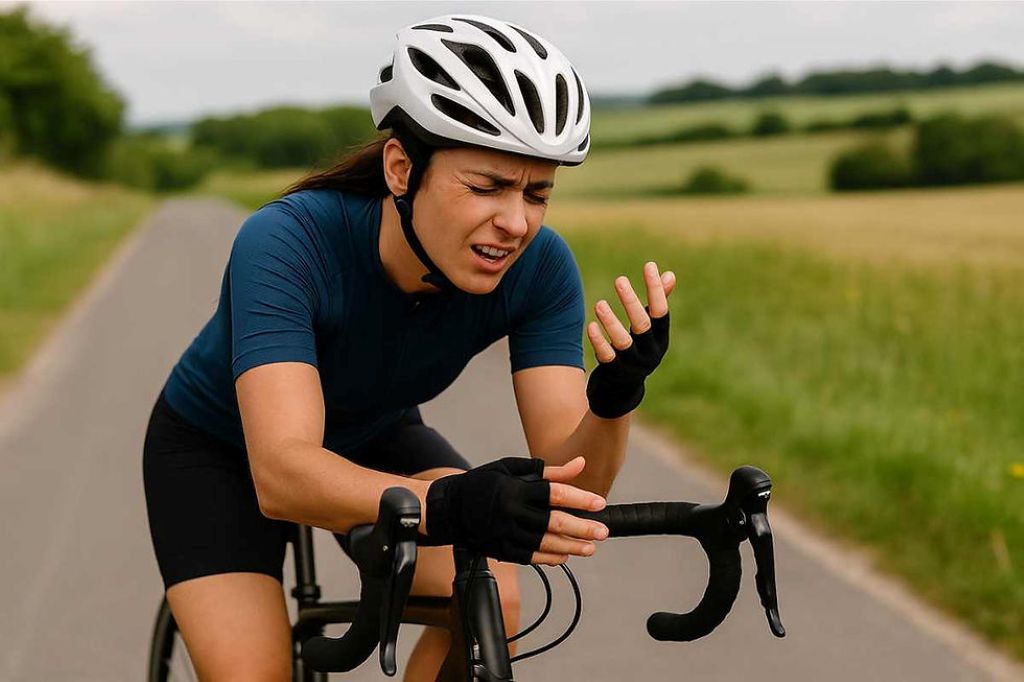
I will never forget my first long-distance ride. About halfway through, my hands started to tingle. At first, I ignored it, thinking it would go away. But as the miles added up, the tingling turned into a numbing sensation that spread through my fingers. By the time I finished, my hands felt like they belonged to someone else. That ride taught me that pins and needles in my hands while cycling isn’t just uncomfortable; it is a sign something needs to change.
The good news is that this issue is usually preventable and fixable. For me, a few simple adjustments made a world of difference. The right bike fit, proper hand positions, and the right gear can keep your hands comfortable, no matter how long you ride. Understanding the causes and solutions can help you enjoy every mile without the distraction of numb, tingling hands.
Understanding Why Your Hands Go Numb When Cycling
Pins and needles in your hands when cycling usually happen because of pressure on the nerves. The ulnar nerve runs along the inside of your elbow and down to your pinky and ring fingers. The median nerve runs through your wrist and affects your thumb, index, and middle fingers. When you lean on your handlebars, you put pressure on these nerves, which can cause tingling, numbness, or even pain.
This pressure often comes from poor bike fit. If your handlebars are too low or too far forward, you end up putting too much weight on your hands. Over time, this constant pressure can compress the nerves and reduce blood flow. Vibration from the road can also contribute to the problem, especially on rough terrain or long rides.
Another common cause is gripping the handlebars too tightly. When you ride, your hands naturally absorb shocks and vibrations. If you grip too hard, you increase the pressure on your nerves and restrict circulation. This can lead to numbness, especially on longer rides. For me, realizing how much pressure I was putting on my hands was the first step toward fixing the problem.
How to Adjust Your Bike Fit to Prevent Numb Hands
The first step in preventing numb hands is to check your bike fit. Start with your saddle height. If your saddle is too low, you will lean forward more, putting extra weight on your hands. Adjust your saddle so your leg has a slight bend at the bottom of the pedal stroke. This helps you stay more upright, reducing pressure on your hands.
Next, look at your handlebar height and reach. If your handlebars are too low, you will have to lean forward more, increasing the weight on your hands. Raising the handlebars or using a shorter stem can help you sit more upright. This takes pressure off your hands and distributes your weight more evenly between your hands, seat, and feet.
The angle of your handlebars also matters. If your bars are angled too far forward or backward, it can affect your wrist position and increase pressure on your nerves. Adjust the angle so your wrists are in a neutral, comfortable position when you grip the bars. For me, raising my handlebars and adjusting the angle made a noticeable difference in how my hands felt during long rides.
The Best Hand Positions to Reduce Pressure on Nerves
Changing your hand positions regularly can also help prevent numbness. Most bikes have multiple places to put your hands, such as the hoods, drops, and tops of the handlebars. Switching between these positions distributes the pressure and reduces the risk of compressing your nerves in one spot.
When riding on the hoods, keep your wrists straight and your elbows slightly bent. This position allows you to maintain control while reducing pressure on your hands. Avoid bending your wrists at sharp angles, as this can compress the median nerve and lead to numbness.
If your bike has drop handlebars, use the drops for more aerodynamic positions, especially on descents or into headwinds. This position can take some weight off your hands and distribute it to your arms and shoulders. However, avoid staying in the drops for too long, as this can also put pressure on your nerves if your wrists are bent. For me, alternating between the hoods and drops helped keep my hands comfortable and my rides enjoyable.
Additionally, avoid the “death grip” on your handlebars. Gripping too tightly increases pressure on your nerves and restricts blood flow. Instead, hold the bars firmly but relaxed. Your hands should be able to absorb shocks and vibrations without gripping too hard. This simple change can make a big difference in preventing numbness and tingling.
Choosing the Right Gloves and Grips for Comfort
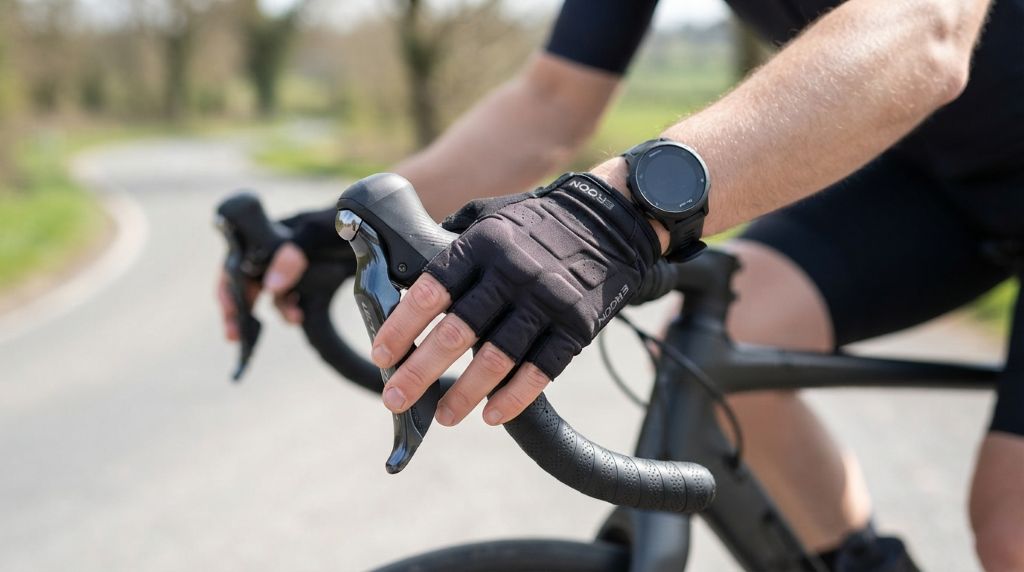
The right gloves and grips can also help reduce pressure on your hands. Padded cycling gloves provide extra cushioning, which absorbs shocks and reduces vibration. Look for gloves with gel or foam padding in the palm area. This padding helps distribute pressure more evenly across your hands, reducing the risk of nerve compression.
Ergonomic grips are another great option. These grips are designed to support the natural shape of your hands, reducing pressure on your nerves. They often have a contoured design that fits the curves of your palms and fingers. Some grips also have gel or rubber inserts to absorb shocks and vibrations. For me, switching to ergonomic grips with padding made my rides much more comfortable.
When choosing grips, consider the material and texture. Softer materials like rubber or gel provide more cushioning, while harder materials like plastic or metal can increase vibration. Textured grips can also help you maintain a secure hold without gripping too tightly. This can reduce pressure on your nerves and improve your comfort.
Finally, make sure your gloves and grips fit well. Gloves that are too tight can restrict blood flow, while gloves that are too loose can bunch up and cause discomfort. Grips that are too thick or too thin can also affect your comfort and control. For me, finding the right fit for my gloves and grips was key to preventing numbness and enjoying my rides.
Strengthening and Stretching Exercises to Prevent Numbness
Strengthening your core and upper body can help you maintain a better riding position, reducing the weight on your hands. Exercises like planks, push-ups, and rows can build the strength you need to support your upper body while riding. A stronger core also helps you maintain a more stable position on the bike, which can reduce the need to grip the handlebars too tightly.
Stretching your wrists, hands, and arms can also help prevent numbness. Simple stretches like wrist flexor and extensor stretches can improve flexibility and reduce tension in your hands and wrists. To do a wrist flexor stretch, extend your arm in front of you with your palm facing up. Use your other hand to gently pull your fingers back toward your body until you feel a stretch in your forearm. Hold for 15 to 30 seconds, then switch hands.
Another helpful stretch is the prayer stretch. Press your palms together in front of your chest, then slowly lower your hands toward your waist while keeping your palms pressed together. This stretches your wrists and forearms, reducing tension and improving circulation. For me, doing these stretches before and after rides helped keep my hands comfortable and numbness-free.
Finally, consider adding some hand and wrist exercises to your routine. Squeezing a stress ball or using hand grippers can strengthen your hands and improve your grip. This can help you maintain a more relaxed hold on the handlebars, reducing pressure on your nerves. For me, these simple exercises made a big difference in my comfort and control on the bike. If you’re also planning longer rides or transporting your bike for cycling trips, learning how to transport bikes in your car can help you prepare your bike safely and avoid unnecessary strain before and after the ride.
FAQs
Why do my hands go numb when cycling?
Numbness in your hands when cycling is usually caused by pressure on the nerves in your hands and wrists. This pressure can come from poor bike fit, gripping the handlebars too tightly, or staying in one hand position for too long.
How can I adjust my bike fit to prevent numb hands?
Adjust your saddle height so your leg has a slight bend at the bottom of the pedal stroke. Raise your handlebars or use a shorter stem to sit more upright. Adjust the angle of your handlebars so your wrists are in a neutral position.
What are the best hand positions to reduce numbness?
Alternate between the hoods, drops, and tops of your handlebars to distribute pressure. Keep your wrists straight and your elbows slightly bent. Avoid gripping the handlebars too tightly.
What kind of gloves and grips can help prevent numb hands?
Padded cycling gloves with gel or foam padding can absorb shocks and reduce pressure. Ergonomic grips with a contoured design can support the natural shape of your hands and reduce nerve compression.
Can stretching help prevent numb hands when cycling?
Yes, stretching your wrists, hands, and arms can improve flexibility and reduce tension. Try wrist flexor and extensor stretches, as well as the prayer stretch, before and after rides.
Conclusion
Pins and needles in your hands when cycling do not have to ruin your ride. By understanding the causes and making a few simple adjustments, you can keep your hands comfortable and enjoy every mile. The right bike fit, proper hand positions, and the right gear can make all the difference.
Do not let numb hands hold you back from enjoying your rides. Try these tips and see how well they work for you. If you have your own solutions or experiences with preventing numb hands, share them in the comments below. Your insights could help another cyclist enjoy a more comfortable ride. Happy cycling!g
